Let's be real about what kills desire
You've been together forever. The kids grew up and moved out, or you relocated for work, or something fundamental shifted in how you relate to each other. Suddenly, sex feels like an obligation instead of an invitation. Your body doesn't respond the way it used to. You feel disconnected from your own pleasure, let alone your partner's.
This is not a character flaw. This is what happens when life turbulence meets a relationship that's been on autopilot.
The disconnect between partnership and personal pleasure
Here's the thing nobody tells you: low desire after major relationship transitions often has almost nothing to do with attraction to your partner. It's a disconnect from yourself. Over decades, many of us learn to calibrate our pleasure around someone else's rhythm, timeline, and preferences. We become responsive rather than initiatory. We perform rather than feel.
Then when the relationship dynamic shifts, we look inward expecting to find desire, and instead we find... quiet.
The neuroscience backs this up. Desire isn't a single thing. It's contextual, embodied, and deeply tied to whether you feel safe exploring your own pleasure independently. When that independence gets crowded out, desire doesn't vanish. It goes dormant.
Why clitoral vibrators matter in this specific moment
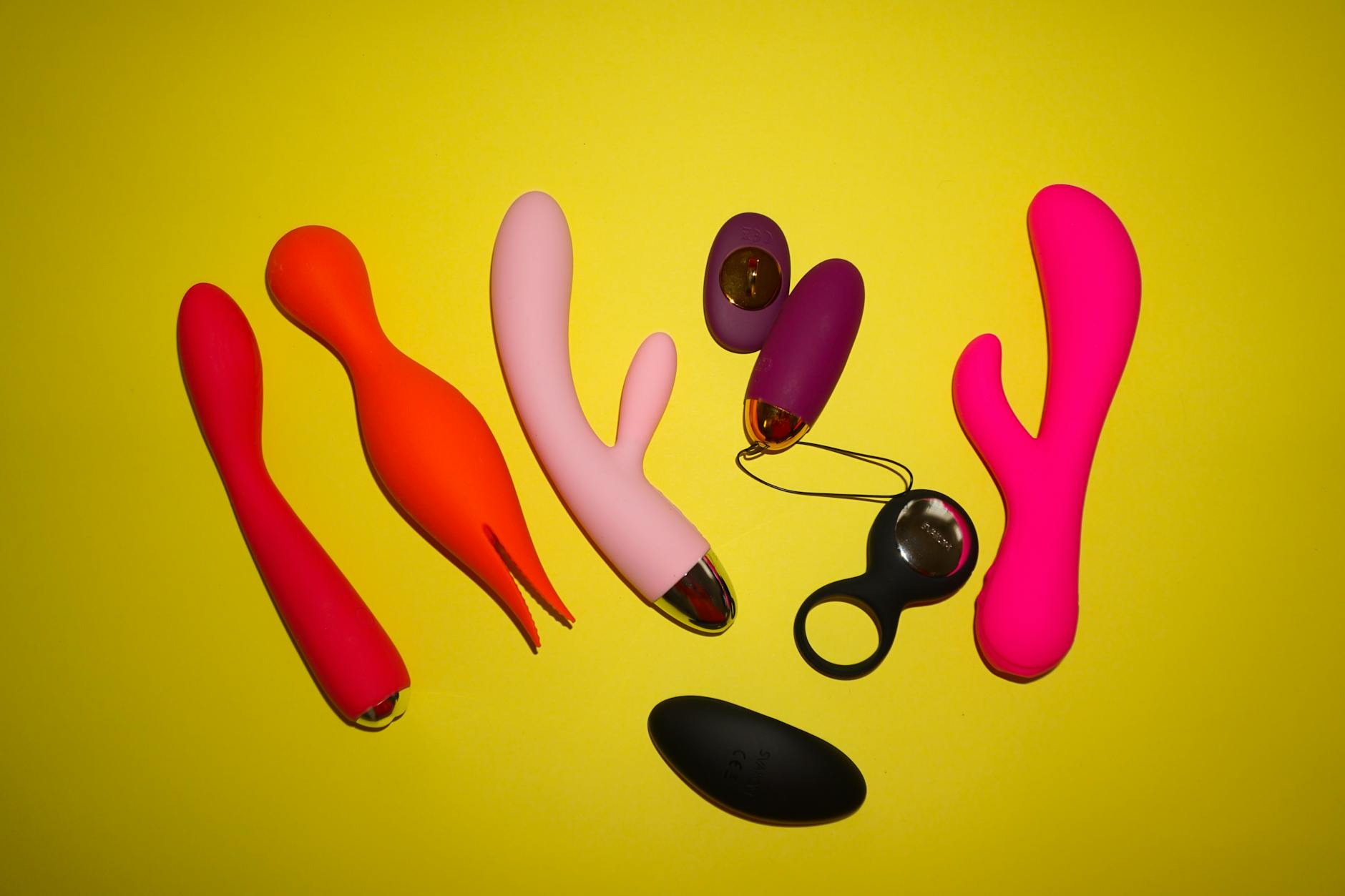
Lemon clitoral vibrators, especially designs like the Lem that use air-suction technology, are useful here not as a relationship rescue tool (that's on both of you), but as a personal reconnection device. They work for rebuilding desire because they're designed to feel different from partnered sex. They're unapologetically about your own sensation, your own timeline, your own pace.
When you spend 20 minutes with a lemon vibrator and no one else in the room, you're not managing anyone's experience. You're not checking in. You're not timing anything around their breathing. You're just... present with sensation. That embodied presence is the first step back to desire.
Solo pleasure as a relationship repair tool
I work with couples all the time where the woman has had zero solo pleasure practice in 10 or 15 years. She's forgotten what her own arousal feels like without context or an audience (even a loving one). She doesn't know her own rhythm anymore.
When lemon vibrators enter the picture as a solo practice, something shifts. Not immediately, but over a few weeks, you begin building three things:
1. Embodied awareness. You learn your current arousal pattern, what rhythm works now, where sensation lives in your body today. This is not what worked at 25. That's fine. Your body's telling you new information.
2. Confidence in your own desire. When you've just experienced an intense orgasm on your own terms, you walk into your relationship differently. You remember you're a person with needs and capacities, not just a partner managing someone else's satisfaction.
3. Realistic expectations for shared sex. Solo sessions with a lemon clitoral vibrator are optimized for you alone. Partnered sex will never feel that way. Once you accept that, partnered sex stops being a disappointment and becomes something else entirely: connection, vulnerability, play.
What actually changes when you start using lemon vibrators solo
You might think the goal is to translate your solo experience into partnered sex. It's not. The goal is to stop being numb.
Most people report that after 3-4 weeks of regular solo use, they start initiating partnered sex again. Not because the vibrator "fixed" them, but because they've rebuilt the neural pathway between arousal and action. They remember they can want things.
There's also a practical piece. When you know what your own pleasure looks like, you can actually communicate it. "Here's what works for my body right now" is wildly different from "I don't know what's wrong with me." The first opens a conversation. The second closes it.
The partner conversation that has to happen alongside this
Here's where it gets tricky. If you're using a lemon vibrator to rebuild your own desire but your partner is still operating under the assumption that low desire is about them, or that your solo pleasure is somehow a threat, you're doing half the work.
The conversation isn't "I bought a vibrator to fix myself." It's: "My desire flatlined because I lost touch with my own pleasure. I'm rebuilding that solo. This isn't about you. It's about me reclaiming something I gave up." And then: "I need you to understand that my pleasure coming back is going to look different than it did before, and that's not a bad thing."
That conversation is on both of you. A lemon clitoral vibrator is equipment. The real work is relational.
Rebuilding partnered desire after the solo reconnection
Once you've spent a few weeks rediscovering what turns you on, the next phase is bringing that information into your partnership. This looks different than you might expect.
You don't necessarily bring the vibrator into the bedroom (though you might). You bring the knowledge. You bring the permission you've given yourself to be selfish with pleasure for a moment. You bring the recognition that desire is cyclical, not constant, and that's normal.
Many couples find that after one person rebuilds their solo desire, the other person feels invited back in. Not obligated. Invited. And that shift is everything.
When to consider professional support alongside tools
If you've been using lemon vibrators consistently for 6-8 weeks and desire still hasn't budged, or if the relationship tension around sex feels immovable, that's when a couples therapist or sex therapist becomes valuable. Tools are helpful. Tools alone sometimes aren't enough.
A trained therapist can help you both understand what happened in your relationship that led to this disconnect. They can help you rebuild emotional intimacy, not just physical response. Sometimes the low desire is less about sex and more about feeling unseen by your partner. A vibrator won't fix that. Relational work will.
The permission piece matters most
Here's what I see most often: the women who successfully rebuild desire after relationship shifts are the ones who give themselves permission to be selfish for a little while. Permission to explore what feels good in their body without managing anyone else's feelings about it. Permission to use tools designed for pleasure.
Lemon clitoral vibrators make that permission easier because they're designed with you in mind. They're not the solution to your relationship. But they can be the first step back to yourself. And a woman who's reconnected with her own pleasure is a woman who can actually show up in her relationship as a full person.
People also ask
Will using a vibrator alone hurt my relationship?
Not if you're doing it for the right reason. Using solo pleasure tools to reconnect with yourself is healthy. Hiding it, or using it as a substitute for partnership, is avoidant. The key is transparency with your partner. Say what you're doing and why. A healthy partner will understand that your pleasure rebuilds the relationship, not threatens it.
How often should I use a lemon vibrator to rebuild desire?
Start with 2-3 times per week. Consistency matters more than frequency. You're rebuilding a neural pathway, not chasing orgasms. Some people find daily use helpful for the first month, then taper down. Listen to your body. If it stops feeling exploratory and starts feeling obligatory, you've done the work. Scale back.
Can my partner use a lemon vibrator on me while we're together?
Absolutely. Once you know what works for your body solo, incorporating that into partnered sex is natural. Some couples find that integrating clitoral vibrators into shared sex actually deepens connection because there's less performance pressure. You're both focused on sensation, not on one person managing the other's pleasure.
How long before I notice desire actually returning?
Most people report feeling shifts in 4-6 weeks. That doesn't always mean desire roaring back. It might mean you initiate once when you didn't before. It might mean partnered sex feels less numb. Real desire rebuilding takes longer, maybe 3-4 months. Be patient with yourself.
Is it normal that lemon vibrators feel different than other toys I've tried?
Yes. Air-suction designs work differently than traditional vibration. The sensation is often described as less intense on the surface and deeper in the nerve ending. If you're rebuilding desire and numbness has been part of the problem, that different sensation can actually be what you need. Your body might respond to something novel in a way it stopped responding to the familiar.
What if my partner is uncomfortable with me using toys?
That discomfort usually points to something deeper: fear that the toy will replace them, or insecurity, or embarrassment. Those are relational issues that a vibrator won't solve. Have the conversation. Explain that your solo pleasure time is about reconnecting with yourself, not about him or what he provides. If he can't hear that, couples therapy might help both of you understand what's underneath the resistance.