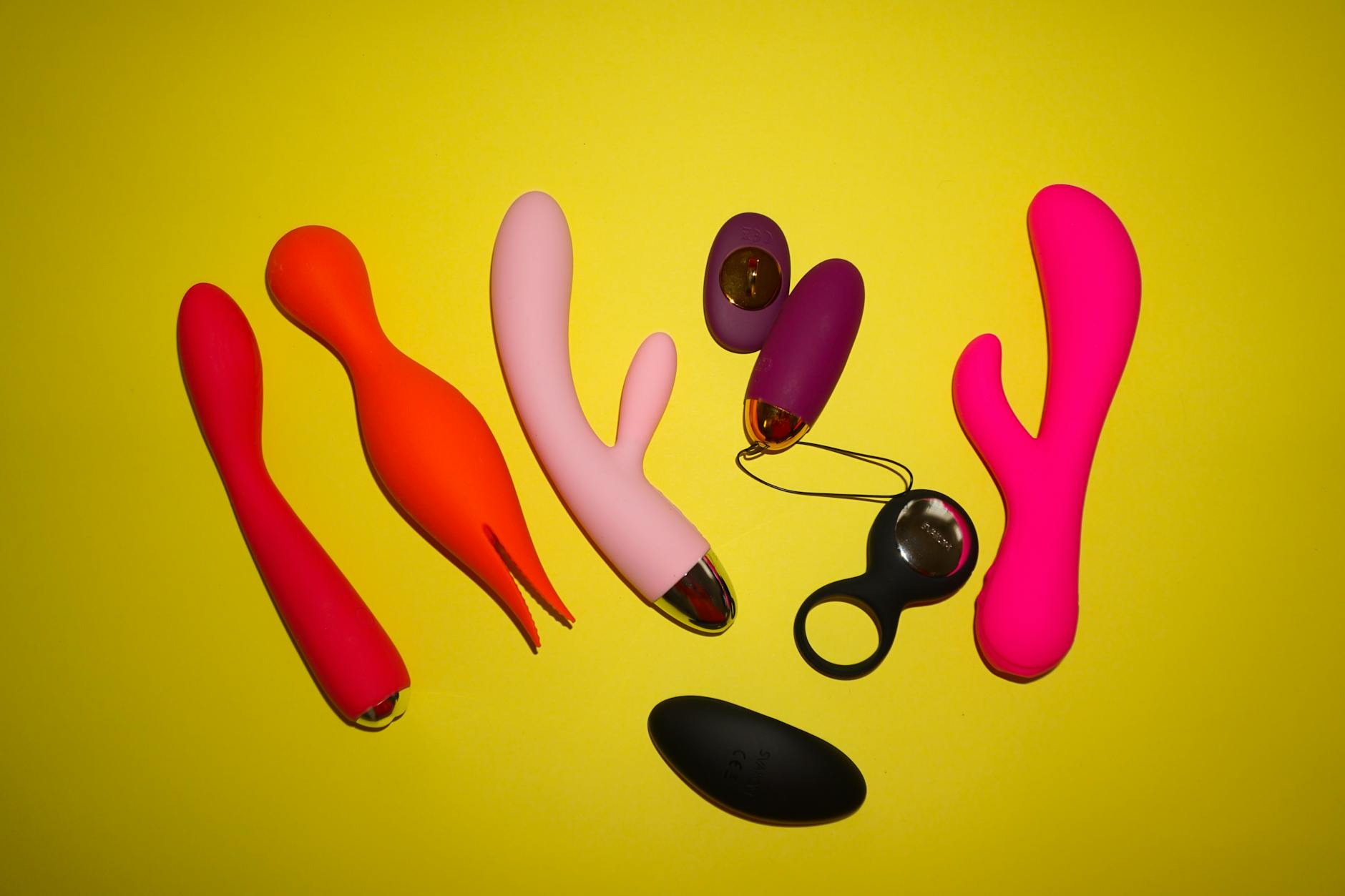
Let's talk about the anxiety that kills sex
You're with your partner. The environment is right, the mood is there, but your brain is running a loop. Am I taking too long? Do they seem bored? What if I can't come? The pressure tightens your pelvic floor. Your breath gets shallow. Arousal crashes.
Performance anxiety during partnered sex is wildly common. And it's not actually about your body. It's about your mind hijacking the experience.
How anxiety rewires what's happening down there
When you're anxious during sex, your nervous system shifts into sympathetic overdrive. Think of it like your body's threat response. Blood flow that would normally pool in the pelvic area gets redirected to your limbs. Your muscles tense. Your vaginal tissues actually become less responsive because you're literally in a survival state, not a pleasure state.
This creates a cruel feedback loop: anxiety makes arousal harder, not being aroused makes the anxiety worse, and now you're performing rather than experiencing. The entire point of sex becomes "make this work" instead of "feel this."
Here's the thing about that loop: it breaks when you interrupt the performance narrative. And that's exactly where external stimulation, especially clitoral vibrators like the lemon sucker, becomes useful.
Why clitoral vibrators interrupt the anxiety spiral
A lemon clitoral vibrator works differently than traditional vibration. The suction sensation doesn't require the same mental focus as, say, coordinating with a partner or managing penetrative sensations. It's almost passive in the best way. Your job becomes simpler: receive sensation.
When you're receiving direct, consistent stimulation to the clitoris, your brain has less bandwidth to run the anxiety loop. You're literally too busy feeling something good to catastrophize. The suction creates a physical anchor. This is meditation, but with pleasure.
Second, a lemon vibrator makes pleasure visible. If you're using it during partnered sex, your partner can see it's working. They can see your body respond. This dismantles the shame narrative: "Something is wrong with me." Instead, it becomes: "Here is what my body likes." That shift from problem to preference is huge.
The specific ways lemon vibrators help partnered anxiety
Four mechanisms:
1. They separate clitoral pleasure from partnered pressure. Your partner doesn't have to be the sole source of your pleasure. This removes the expectation that they need to be perfect, and it removes your performance anxiety about them. Everyone relaxes.
2. They create a focus object. Instead of monitoring your own arousal or worrying about your partner's experience, you're focused on the sensation of the lemon clitoral vibrator. This is grounding. Anxiety lives in future stories. Sensation lives in the present.
3. They normalize external help. Using a toy isn't a commentary on your partner or your relationship. It's a tool. Treating it that way removes the shame that usually fuels performance anxiety in the first place.
4. They give you control in real time. You, not your partner, manage the intensity and rhythm. This matters for anxiety because it puts you back in agency. You can adjust if something feels like pressure instead of pleasure.
How to introduce a lemon vibrator to partnered sex without more anxiety
Honestly, the conversation before is more important than the tool itself.
Don't frame it as "I need help coming." Frame it as "I want to try something that feels good." You're not fixing a problem. You're exploring something. There's a real difference in how your partner hears that.
If your partner is nervous about toys, know that's normal. Some people initially feel like a vibrator is competition. A simple conversation works: "This isn't about you. This is about me experiencing my body differently when I'm with you. Want to watch?" Most partners find it genuinely hot.
Start solo first if that helps you relax. Use the lemon vibrator alone, figure out what patterns feel good, where you like the intensity. This removes the variables when you bring it into partnered sex. You already know what works.
When you introduce it together, try it during foreplay first. Not as the main event. This keeps things low pressure. You're experimenting, not performing.
What changes about anxiety when the body relaxes
Here's what I see clinically: once people experience sustained pleasure without the anxiety narrative, they stop expecting it to come back. The body learns. Arousal starts coming faster. The pelvic floor stops clenching preemptively.
And something interesting happens to the relationship. When sex stops being about managing anxiety and starts being about mutual sensation, partners actually connect more. You're not in your head. You're present. That presence is what your partner actually wants.
A lemon clitoral vibrator isn't about the orgasm. It's about breaking the loop that prevents you from getting there. Once you're out of the loop, your nervous system can do what it's supposed to do: relax into pleasure.
FAQ
Will using a vibrator make me dependent on it for orgasms?
Not at all. You're not rewiring your body to need vibration. You're breaking an anxiety pattern. Once you experience arousal without the performance narrative, your nervous system knows the difference. Over time, many people find they can access that relaxed state without a toy. The tool helped you learn the feeling. Now your body remembers.
What if my partner feels threatened by a toy?
That's worth a real conversation, not a workaround. Some people feel insecure initially because they've absorbed the myth that they should be enough on their own. A vibrator isn't about sufficiency. It's about sensation variety. It's like saying a partner threatens you because you also eat alone sometimes. The conversations that matter are: "What are you actually afraid of?" and "How do we make sex feel good for both of us?" A lemon clitoral vibrator is just a tool that happens to make that easier.
Can I use it if I'm on antidepressants that affect sensation?
Yes. In fact, many people find external clitoral stimulation works better than internal sensations when medication is dampening responsiveness. The suction mechanism of a lemon vibrator can work well even when sensation feels muted. Start at lower intensities and build.
Does it help if my anxiety is about specific things, like being watched?
Depends on the anxiety. If you're anxious about being observed, a vibrator can paradoxically help because it gives you something to focus on besides being watched. You're not performing for your partner. You're concentrating on sensation. That shift in attention often quiets the performance anxiety. But if the anxiety is deeper around vulnerability, that might need a conversation or professional support alongside the tool.
How do I know if my anxiety is normal or if I should see a therapist?
Some performance anxiety is normal. Most people feel it sometimes. But if anxiety is preventing sex from happening regularly, or if it's causing you real distress, or if you're avoiding partnered sex altogether, that's worth professional support. A therapist who specializes in sex and relationships can help you understand what's underneath the anxiety. A lemon clitoral vibrator can help with the symptom. A good therapist helps with the root.
Will my partner think I'm bored with them if I want to use a toy during sex?
Only if you frame it that way. If you approach it as "I want to feel this sensation with you," the message is inclusion, not exclusion. Most partners, once they see how much pleasure it creates for you, are genuinely into it. You're inviting them into a more responsive version of you.
What comes after the anxiety lifts
Once you've broken the anxiety loop a few times, your nervous system learns something new. It learns that sex with your partner can feel good without all the monitoring. That arousal can build without catastrophizing. That your body can do what it's supposed to do.
A lemon clitoral vibrator doesn't fix anxiety. But it gives your nervous system something better to do during partnered sex. It redirects attention from performance to sensation. From worry to presence. And once you've experienced that, it's hard to go back to the anxious version.
Your pleasure matters. Your presence with your partner matters more than your performance. Sometimes a small tool helps you remember that. And that's exactly what it should be doing.
If you're struggling with performance anxiety that's affecting your relationship, consider reaching out to a relationship therapist. You deserve support beyond a toy. And if you want to explore how external stimulation can help, we have resources and products designed for exactly this at Hello Nancsy.