Let's be real about SSRIs and pleasure
Antidepressants save lives. They also flatten sexual sensation for roughly 40-60% of people who take them. That's not a personal failure, a relationship problem, or something you should just accept. It's a documented side effect of how serotonin reuptake inhibitors work, and it's worth understanding because understanding it changes everything.
Here's the gap: your doctor probably told you SSRIs might affect your sex drive. What they didn't say is that sexual numbness and delayed arousal are two completely different problems that need different solutions. One is neurochemical. The other is mechanical. A lemon vibrator addresses the mechanical side with surprising precision.
What SSRIs actually do to your sexual response
SSRIs work by increasing serotonin in the brain, which lifts depression and anxiety. But serotonin also influences dopamine and norepinephrine, the neurotransmitters that fire up sexual arousal and sensation. When serotonin levels stay elevated, those other systems dial down.
The result: arousal takes longer to build, sensation feels muted, and orgasm becomes harder to reach. Some people describe it as feeling like they're touching themselves through a wetsuit. Others say their clitoris just doesn't feel like it used to. Both are real descriptions of the same underlying problem: dampened nerve signal transmission.
The paradox is that your desire might be fine. You want to have pleasure. Your brain isn't broken. Your neurotransmitters are just being managed differently, and that management cost has a sexual price tag.
Why traditional vibrators often make this worse
When sensation is already muted, reaching for a standard vibrator feels logical. But many people report that the buzzing, sustained friction of traditional vibrators feels numb or even irritating when they're on SSRIs. The nerve endings are so dampened that the constant, repetitive vibration becomes background noise instead of stimulation.
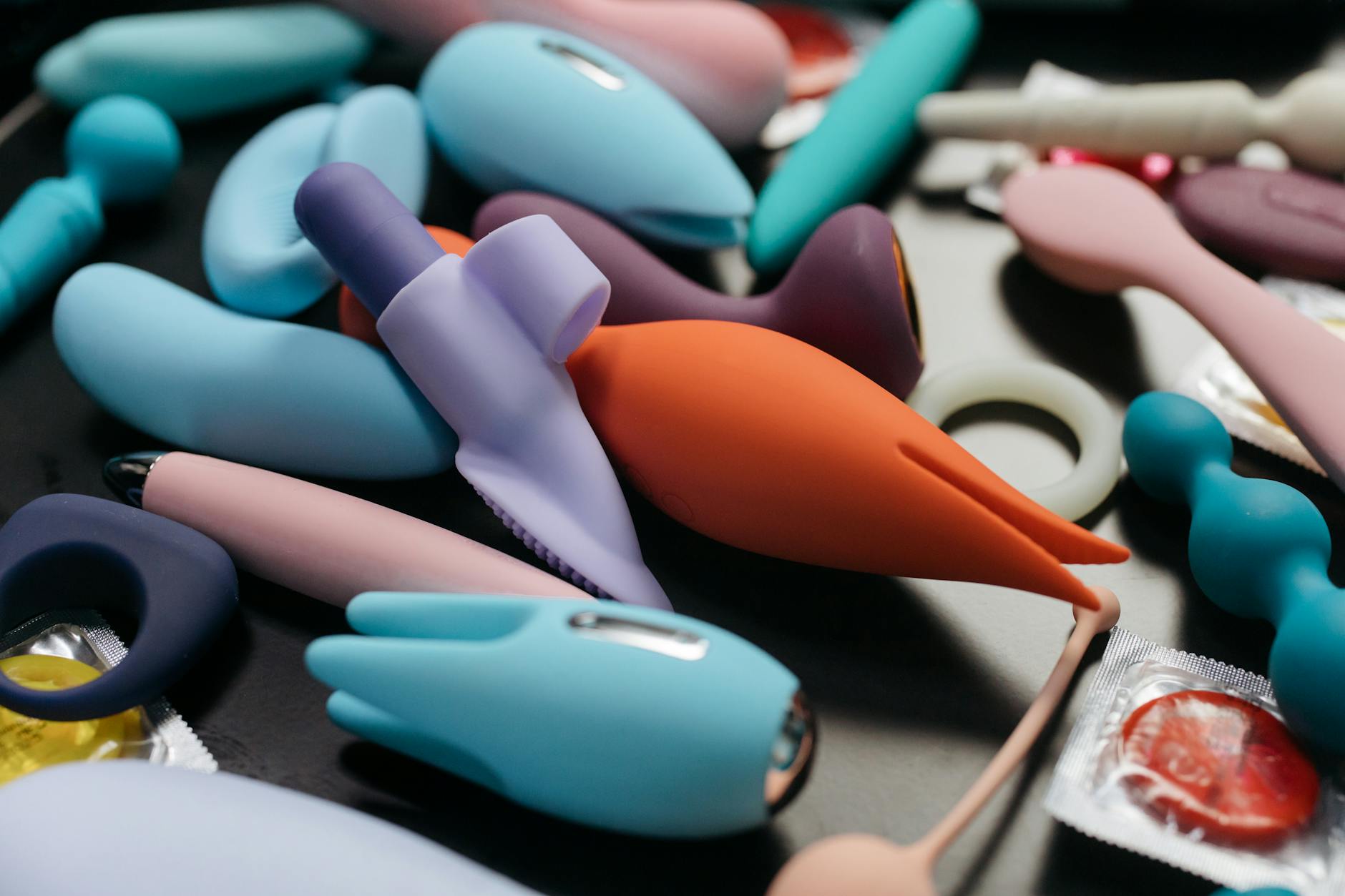
This is where the design of air-suction clitoral vibrators like the Lem changes the equation. Instead of vibration, they use gentle suction and release cycles that create a rhythmic pulse. This pattern feels distinctly different to numbed nerve endings. It's more like a squeeze-release, squeeze-release pattern than a buzz. For people on SSRIs, that difference is the gap between feeling nothing and feeling something real.

Photo by Olga Lioncat on Pexels
The intensity and duration question
Another shift SSRIs create: the time it takes to build arousal and reach orgasm often doubles or triples. A 15-minute warm-up becomes 45 minutes. Some people find that orgasm is possible but requires sustained, consistent stimulation at higher intensities than they used to need.
Lemon vibrators designed for clitoral pleasure have multiple intensity settings and a steady, buildable sensation that many people describe as easier to follow. You're not fighting against numbness in short bursts. You're creating a sustained signal that your dampened nerve endings can gradually pick up on.
One important note: if you're also experiencing vaginal dryness from SSRIs (which happens too), adding a water-based lubricant makes the suction sensation even clearer. The suction works better on lubricated tissue, and the lubrication buffer protects your clitoris from any roughness.
Should you talk to your doctor about switching medications
Here's the honest conversation to have: some antidepressants have lower sexual side-effect rates than others. Bupropion, for example, is often prescribed specifically because it doesn't dampen sexual response the way SSRIs do. Tricyclic antidepressants and some newer agents have different side-effect profiles.
But switching isn't always the right move. You switched to your current SSRI because it worked for your depression or anxiety. Changing medications means risking that stability. For some people, a lemon vibrator plus adjusted expectations is the better trade than medication roulette.
This conversation is between you and your psychiatrist or GP, not something to figure out alone. What I can tell you as someone who works with couples through these transitions: the people who do best are the ones who stop pretending the sexual change isn't real and instead get practical about adapting.
The partner conversation is its own thing
If you're with a partner, separating two conversations matters here. Conversation one: "My medication is affecting my arousal time and sensation. This is a side effect, not about you or how I feel about you." Conversation two: "Here's what I'm trying to help myself feel pleasure again, and here's what I'd like from you."
Many partners get defensive when sexual response slows down, reading it as rejection. It's not. It's chemistry. But your partner's job isn't to fix it, and they can't. Your job is to manage what you can control: your own arousal, your own self-pleasure practice, your own willingness to use tools like a lemon clitoral vibrator that make sensation clearer.
Some partners find that exploring together with new tools actually brings them closer because it shifts the dynamic from "we're trying to make sex happen the old way" to "we're figuring out what works now." That reframe is powerful.
Why consistency matters when you're on SSRIs
When sensation is dampened, sporadic pleasure attempts often feel fruitless. Your clitoris needs regular, sustained stimulation to remember how to respond. This is why people on SSRIs often say that solo play with a lemon vibrator becomes a crucial part of their recovery.
Think of it like physical therapy. You're not just trying to have an orgasm. You're retraining your nervous system to recognize and amplify sensation signals that have been turned down. That requires showing up regularly, not just on special occasions.
Most of my clients who find their way back to pleasure after SSRI-related numbness do it through weekly solo time with a tool that gives clear feedback. A lemon vibrator, with its distinct suction sensation and multiple settings, provides that feedback more reliably than any other option.
When to consider talking to a sex therapist
If you've been on SSRIs for more than six months and haven't experienced any improvement in arousal, sensation, or orgasm, even with consistent solo exploration and a clitoral vibrator, a sex therapist trained in medication side effects is worth seeking out. Sometimes the issue needs more than mechanical tools. Sometimes there's a deeper disconnect between your mind and body that therapy can help bridge.
Similarly, if your partner has started initiating sex less often because they've picked up on your reduced interest, that's a sign that the relationship side of this needs attention, not just the biological side.
Also worth noting: if you're on an SSRI that's genuinely the right medication for your mental health, trying to force yourself back to your pre-SSRI sexual baseline is not the goal. The goal is finding a new normal where you can feel pleasure, even if it looks different. That new normal might include regular use of a lemon vibrator. It might include different positions. It might include accepting that you need more foreplay time. All of those adaptations are fine. What's not fine is white-knuckling through weeks of numb sensation and telling yourself that's just how it is now.
FAQ
Can you switch from SSRIs to a different antidepressant with fewer sexual side effects?
Yes, in many cases. Bupropion, some tricyclic antidepressants, and mirtazapine have lower rates of sexual side effects than SSRIs. But switching medications is a clinical decision you make with your prescriber, not something to attempt on your own. Changing meds can take weeks to work and might temporarily worsen mood before it improves. If your current SSRI is managing your depression or anxiety well, the trade-off of using a lemon vibrator might be worth staying put.
How long after starting an SSRI does the sexual numbness usually appear?
Often within the first two to four weeks, though it can take longer for some people. If you've been on your medication for over a month and haven't noticed a change in arousal or sensation, you might be one of the people who's less affected. But if numbness does appear, it's usually not temporary. It persists as long as you're on that medication at that dose.
Does using a lemon vibrator make the numbness worse over time?
No. Regular use of a clitoral vibrator doesn't dull sensation further. If anything, consistent stimulation with clear sensory feedback can help retrain your nervous system to recognize pleasure signals. The key is choosing a vibrator with a distinct sensation pattern, which is why air-suction clitoral vibrators work better for SSRI-related numbness than traditional buzzers.
If my partner and I haven't had sex in months because of my sexual side effects, how do we start again?
Start with a conversation that isn't in the bedroom. Acknowledge that the gap has grown and that rebuilding takes intention from both of you. Then start small: maybe it's solo play with a lemon vibrator while your partner is in the room but not demanding anything. Maybe it's how you want pleasure without performance pressure. The key is removing the pressure to perform at your old baseline and instead building something new together.
Can you orgasm on SSRIs even with a lemon vibrator?
Yes, though it often takes longer and requires higher intensity than it did before. A lemon vibrator gives you consistent, buildable stimulation that many people find easier to follow than other options. Some people report that their first orgasm in months comes with a clitoral vibrator specifically because the sensation pattern is clearer than what they've been attempting without tools. That's not a failure. That's adaptation.
Should I tell my partner I'm using a vibrator because of my medication side effects?
That depends on your relationship dynamic and what you both want. Some couples find that transparency about using a lemon vibrator as a tool for this specific problem brings them closer. Others prefer to keep solo exploration private. What matters is that you're not hiding it because you're ashamed. You're making a clinical choice to manage a medication side effect, and that's legitimate either way.
The path forward is practical, not perfect
Antidepressants work. They also have side effects. Sexual numbness is one of them, and it's solvable with the right approach. That approach includes understanding what's happening neurochemically, having honest conversations with your doctor and your partner, and using tools like a lemon clitoral vibrator that give your dampened nerve endings clearer feedback.
Your pleasure matters. Your mental health also matters. The goal isn't choosing between them. It's finding ways to have both, even if both look different than they used to.
If you're navigating SSRI side effects and feeling lost about how to reconnect with pleasure, that's exactly what we're here for. Reach out. You're not the first person to walk this path, and you won't be the last.