Let's talk about what actually kills desire in long-term partnerships
It's rarely your partner. It's almost never that the spark was fake to begin with. What murders libido after months or years together is almost always one of these: a major life transition (kids, career stress, moving), unresolved conflict that sits between you like a piece of furniture, or the slow erosion of feeling seen by someone you share a bed with.
The body doesn't want sex when the nervous system isn't safe. And safety, in a relationship, requires attention and emotional reciprocity. When those go missing, desire follows.
Here's the part nobody tells you: waiting for your partner to fix the emotional distance before you try to fix desire is backwards. Your own pleasure is the bridge.
Why solo pleasure is the reset button
When relationship friction kills your libido, your body learns to associate sex with strain. Maybe there's resentment in the room. Maybe you're too exhausted from emotional labor to feel aroused. Maybe you've stopped asking for what you want because it never lands anyway.
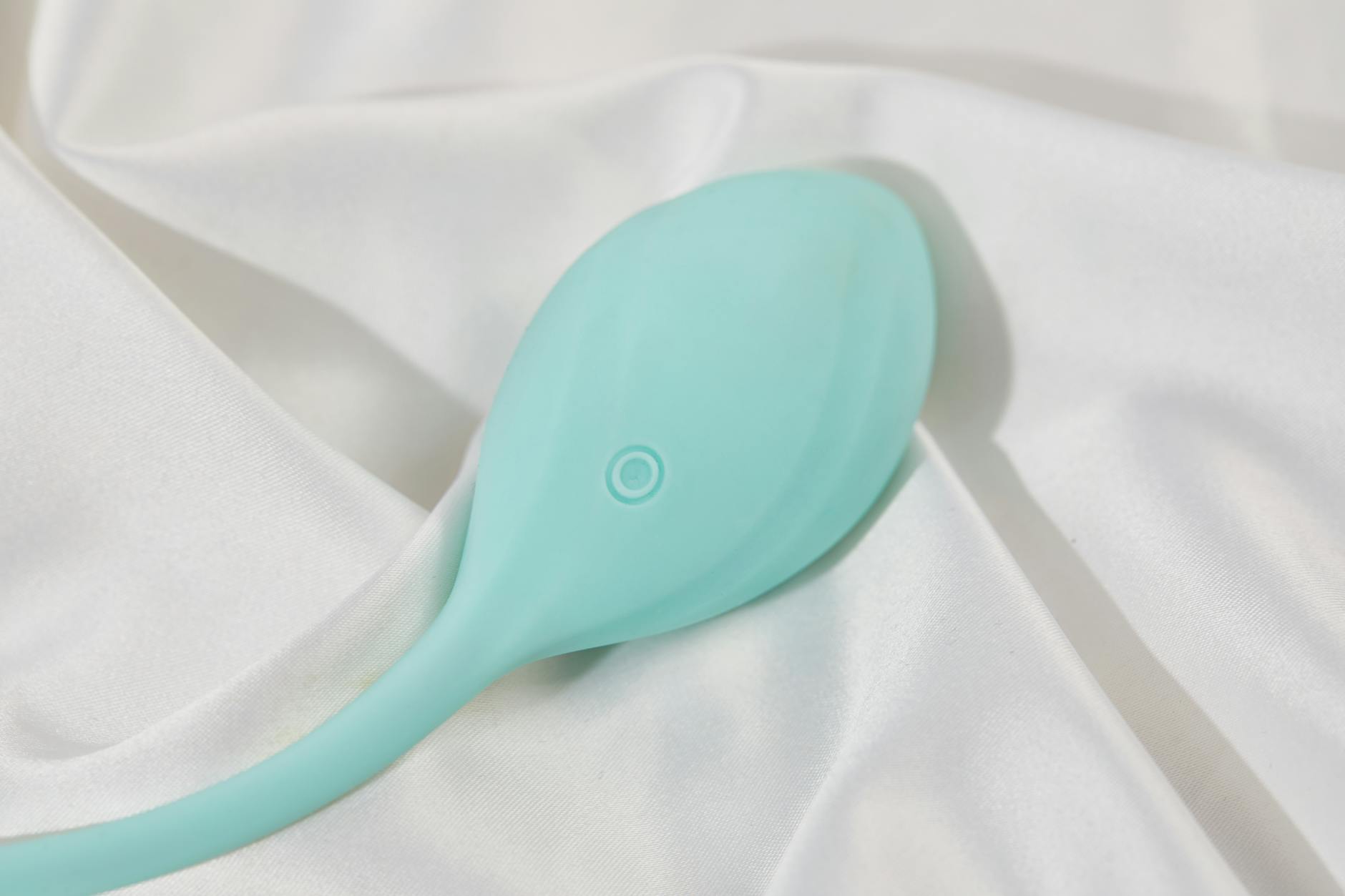
Using a lemon clitoral vibrator solo rewires that association. You're not performing. You're not managing anyone's expectations or trying to reach an orgasm on a timeline that suits your partner. You're meeting your own body with zero friction.
That matters neurologically. When you consistently experience pleasure without the relational weight attached, your brain stops linking sex to stress. Your body starts believing that pleasure is a normal, achievable thing again.
How lemon vibrators speed up that reset
Lemon sexual toys like the Lem work through gentle air-suction stimulation. Unlike traditional vibrators, they don't rely on direct friction, which means they can feel less intense and more nuanced. For people whose desire has flatlined, that gentleness is critical. You're not looking for the most powerful orgasm of your life right now. You're looking to remember that sensation is possible.
Air-suction stimulation also feels different from partnered touch. Your brain registers it as novelty, which is neurologically arousing even when you're emotionally depleted. That novelty activates the same dopamine pathways that get blocked during relational stress.
Start with short sessions. Five to ten minutes. The goal isn't performance. It's reconnection.
The three phases of rebuilding desire
Phase one: Solo rediscovery (weeks 1-3). You're using a lemon clitoral vibrator alone, no pressure to orgasm, no timeline. You're practicing the sensation of pleasure without relational context. This trains your nervous system that pleasure is possible again.
Phase two: Integration (weeks 4-6). Now you can touch yourself with the device while your partner is in the room. Not performing for them. Just existing in your own experience while they exist in theirs. They read, they rest, whatever. The point is physical proximity without expectation.
Phase three: Collaborative pleasure (week 7+). If you want, your partner can watch, touch you in other ways, or eventually use it on you. But this only happens if you've already rebuilt the sensation of pleasure solo. You're not asking them to fix your desire. You're inviting them into something you've already started rebuilding on your own.
What changes in your partnership once desire returns
This is where most relationship advice gets vague. Let me be specific.
When you've spent weeks reconnecting with your own pleasure, two concrete things shift. First, you stop expecting your partner to be responsible for your orgasm. That's actually where a ton of resentment lives in long-term partnerships. Second, you show up to sex with something to offer instead of something to prove.
Sex becomes easier. You're not performing. You're collaborating.
But none of that happens if you're still waiting for your partner to sweep in and make you want them again. They can't. That's your nervous system's job, and it needs evidence that pleasure is safe before it will let you access desire in a shared context.
When you need the emotional conversation too
Let's be clear: lemon vibrators are not a substitute for actually talking to your partner. If there's unresolved conflict, contempt, or emotional neglect, a clitoral vibrator won't fix that. What it does is give you ground to stand on while you're having the harder conversation.
Instead of "I don't feel attracted to you anymore," you can say, "I've realized my desire got tangled up in the stress between us. I'm working on rebuilding that on my own first, and then I'd like to rebuild it with you." That's a much more workable starting point.
Some partnerships need a therapist at this stage. That's not failure. That's wisdom. A good couples therapist helps you both understand what actually happened to the connection. A lemon clitoral vibrator just helps your body remember pleasure while you're doing that work.
The weird part that actually helps
Here's something that shows up in my practice consistently: when someone rebuilds their own desire solo first, their partner often feels relieved. They were probably stressed too, wondering if they'd somehow broken things.
Saying "I'm going to spend the next month reconnecting with my pleasure solo, and I'd like that to be something we don't directly involve each other in yet" gives your partner permission to relax too. You're not asking them to perform. You're taking responsibility for your own nervous system.
That actually rebuilds safety faster than most things couples try.
The timeline and what's realistic
If your desire flatlined three months ago, you're probably looking at 6-10 weeks to feel genuinely interested in sex again. If it's been a year or longer, 12-16 weeks. That's not because lemon vibrators are slow. It's because your nervous system needs time to learn that pleasure is trustworthy again.
Some people find they want their partner again faster than that. Some take longer. There's no universal timeline. But having one helps you stay patient with yourself instead of treating this like another thing you're failing at.
When to know something deeper needs attention
If you've spent six weeks using a lemon clitoral vibrator consistently and you still feel nothing, that's information. It might mean your nervous system is too dysregulated for pleasure to land yet. It might mean there's an underlying health issue. It might mean the relationship damage is bigger than you thought.
Any of those things is worth discussing with a therapist or a doctor. Desire doesn't come back on a schedule. It comes back when your body feels safe enough to want something. If it's not happening, the block is usually deeper than relational friction.
What happens when desire actually returns
Honestly though, it's weird and wonderful. You'll probably notice it first in small moments. You'll think about your partner and feel a flutter instead of numbness. You'll want to touch them. You'll initiate something.
That's not spontaneous fireworks. That's your nervous system saying, "Okay, I believe pleasure is safe again."
From there, you rebuild. Slowly. With presence. With the knowledge that you've already proven to yourself that desire is recoverable. That's the whole point of starting solo with a lemon vibrator. You're not waiting for your partner to make you want them. You're building the capacity for wanting, and then you get to choose who you want.
FAQ
How often should I use a lemon vibrator while rebuilding desire?
Three to five times a week for 5-15 minutes is a solid starting point. You're not training for performance or trying to hit a quota. You're creating a consistent, low-pressure opportunity to reconnect with sensation. More frequent isn't better. Consistency is.
Can my partner use a lemon clitoral vibrator on me while we're rebuilding?
Not yet. Or not until you've spent a few weeks solo first. The whole point is that you're rebuilding pleasure without the relational dynamic attached. Once your nervous system trusts that sensation again, partnership application works better because you're not mixing it with the original strain.
What if my partner feels threatened by me using a lemon vibrator?
That's usually worth discussing. Sometimes partners feel threatened because they're insecure about their own capacity to create pleasure. Sometimes they feel threatened because they've been taught that toys are a critique of their performance. Neither of those is true, and a patient conversation helps. You're not replacing them. You're rebuilding capacity. If they can't sit with that, that's actually information about whether this partnership can handle honesty about desire.
How do I know when I'm ready to include my partner again?
When you've genuinely enjoyed pleasure solo and you feel curious about sharing that with them. Not obligated. Not performing. Curious. If you're using a lemon vibrator solo and thinking, "I wish they could see how good this feels," that's usually a sign you're ready. If you're thinking, "I guess I should let them watch," you're not ready yet.
Does rebuilding desire solo actually work, or is this just a nice idea?
It works. Not always, and not on the same timeline for everyone, but the neuroscience is solid. When you consistently experience pleasure without relational stress attached, your brain stops linking sex to strain. And when that neural association breaks, desire becomes possible again. I've seen it work in my practice for years.
What if I still don't want my partner after solo work?
Then that's real information, and it might be time to have an honest conversation about whether this partnership is meeting your needs. Sometimes rebuilding desire solo reveals that the issue isn't the relational friction. It's that the relationship itself isn't working. That's hard to face, but it's also important. A lemon vibrator can help you reconnect with your body's truth. Sometimes that truth is that you need something different.