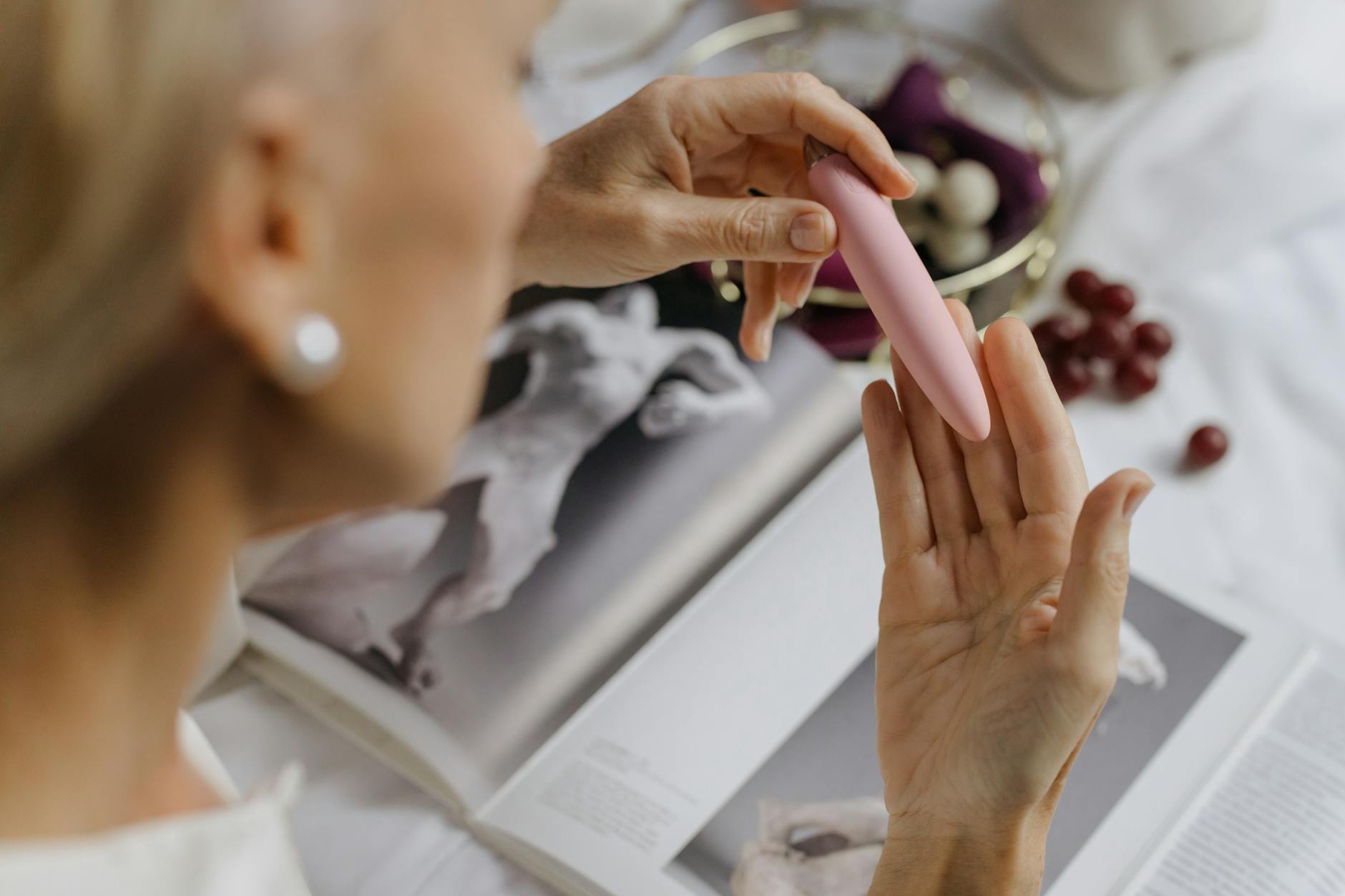
Let's be real: postpartum intimacy is messier than anyone warns you about. Not just emotionally (though yes, that too). Physically, your vulva has been through something enormous. The clitoris swells during pregnancy. Tissues stretch, sometimes tear, and the nerve endings rewire themselves. Then breastfeeding hormones flatten everything out further.
Here's the clinical part translated into English. During pregnancy, increased blood flow engorges the clitoris and labia. This actually heightens sensation for some people. Then after delivery, everything deflates. Literally. Prolactin (the breastfeeding hormone) suppresses estrogen, which thins vaginal and clitoral tissue. The sensitivity that felt electric at 28 weeks pregnant now feels... muted.
Add to that the fact that you've either healed from a tear, a cut, or (potentially) major surgery. Your pelvic floor tightened as a protective response. Your nervous system is running on fumes from sleep deprivation and hypervigilance. And somewhere in there, you're supposed to feel sexy again.
The research is clear on this: 41% of postpartum women report reduced clitoral sensation at six months postpartum. It's not in your head. It's physiology.
Most vibrators rely on direct friction or penetration. Your postpartum clitoris doesn't want that. The tissue is thinner. There's scar tissue in some cases. Your pelvic floor is probably still guarded, even if consciously you're ready. A buzzing vibrator pressing directly onto sensitive, recovering tissue often feels numbing or irritating rather than good.
This is where lemon vibrators (specifically the suction-style design) change the game. Suction doesn't rely on friction. It doesn't require penetration. It stimulates the nerve endings through gentle negative pressure instead of mechanical vibration alone. For postpartum bodies, this is the difference between pleasure that feels forced and pleasure that actually builds.
Think of a lemon vibrator like a miniature pump. It creates a gentle seal around the clitoris and pulses with rhythmic suction. This approach has three advantages for postpartum bodies:
1. Zero direct friction. Your healing tissue doesn't have to endure buzzing directly on it. The suction pulls the clitoris slightly into the chamber, which means stimulation happens through a gentler mechanism.
2. Gradual sensation building. Most lemon clitoral vibrators come with intensity levels. You can start at the lowest setting, which often feels like a soft pulse rather than vibration. As sensation returns and your nervous system recalibrates, you increase intensity on your timeline.
3. Pelvic floor feedback loop. Suction-based stimulation often feels less threatening to your pelvic floor than friction does. When your floor doesn't perceive danger, it's more likely to relax. And a relaxed pelvic floor is where real pleasure lives.
This varies wildly. Breastfeeding people often experience suppressed sensation for 6 to 12 months postpartum. Non-breastfeeding bodies sometimes bounce back faster, around 3 to 6 months. But here's what matters: it comes back. The tissue regenerates. Hormones rebalance eventually.
The mistake most people make is waiting until sensation feels "normal" again before trying anything. That can take too long. Using a lemon vibrator gently during the recovery period actually helps rewire nerve pathways and signals your nervous system that pleasure is safe again. It's active healing, not waiting.
Start around 6 to 8 weeks postpartum if you had an uncomplicated delivery, or whenever your doctor clears you for penetration (usually 6 weeks, but that's the floor, not the requirement). If you had significant tearing or a C-section, give yourself longer. And honestly? If you're not feeling it, don't push. Your body will tell you.
Start with external use only. The clitoris is the target, not internal stimulation. Your internal tissues are still healing.
Use water-based lubricant, always. Postpartum tissue is drier than pre-pregnancy tissue, especially if you're breastfeeding. Lubrication isn't optional. It's essential.
Begin on the lowest intensity setting. You're reintroducing sensation, not maximizing it. Most lemon vibrators have a gentle pulse mode. Use that. You can work up to higher intensities over weeks or months.
Keep sessions short initially. 5 to 10 minutes is plenty. Your nervous system needs time to recognize this as safe pleasure, not something demanding.
Pay attention to your pelvic floor. If you notice tensing, pause. Breathe. A postpartum pelvic floor is often tight already. The goal is to coax it toward relaxation, not add more activation.
Look, this part gets complicated fast. If you have a partner, this is both a couple's experience and a solo one. Here's the truth: your body needs to remember pleasure solo first. That pressure of performance, of timing, of doing it "right" for someone else. Remove it.
Use a lemon vibrator alone for at least a few weeks. Rebuild your own sensation, your own rhythm, your own sense of what feels good now. Then, when you're ready and it feels good, you can invite your partner in.
When you do, the conversation isn't "I need a toy because something's wrong." It's "My body is different than before. This tool helps us navigate that together." The distinction matters for long-term intimacy. You're solving a problem as a team, not revealing a deficit.
Here's what I see in my practice constantly: the physical stuff is real, but the emotional stuff is bigger. Postpartum, your body isn't yours for a while. It's been borrowed by pregnancy, then by labor, then by a baby who needs to eat or be held at 3 a.m. Reclaiming sensation and pleasure is partly about tissue recovery and mostly about reclaiming autonomy.
When you use a lemon vibrator postpartum, you're not just stimulating the clitoris. You're telling your nervous system: your pleasure matters again. Your body is yours again. That message, repeated over weeks, rewires more than just sensation.
That's why it's often not about achieving orgasm in those first postpartum months. It's about feeling capable of pleasure. About noticing that your body responds. About trusting yourself again.
If pain persists beyond 3 months postpartum during any kind of stimulation, see a pelvic floor physical therapist. Postpartum pelvic floor dysfunction is real and treatable. A few sessions often transform the experience.
If sensation hasn't returned at all after 12 months and you're not breastfeeding, talk to your OB. Sometimes postpartum hormonal shifts need intervention. Sometimes there's nerve damage that needs specialist attention.
But in most cases? A lemon vibrator, patience, and permission to rebuild on your own timeline is exactly what works.
Most OBs clear patients for external sexual activity around 6 weeks postpartum, assuming no complications. But "cleared" doesn't mean "ready." Start when you feel emotionally ready and physically healed. Some people that's 6 weeks. Some people it's 4 months. There's no wrong timeline. A lemon vibrator's gentleness makes it a safer choice than penetrative options for earlier postpartum exploration, but listen to your body first.
Possibly at first. Your clitoris feels different to you. It might feel more sensitive, less sensitive, or just foreign in a way that's disorienting. That's normal. Start on the lowest setting, use plenty of water-based lubricant, and give it a few tries. The sensation usually normalizes within a few sessions as your brain recalibrates.
Yes. Breastfeeding won't transfer any toy residue to your baby or affect milk supply. What breastfeeding does is flatten sensation and lower libido through prolactin. A lemon vibrator can help bridge that gap, but understand that sensation may stay muted until nursing ends or your body recalibrates (usually around 6 to 9 months into nursing).
Not if you use it externally and gently. External clitoral stimulation doesn't affect internal scar tissue healing. If you had a tear or episiotomy, stay external until you're fully healed (usually 8 to 12 weeks), and then start slow. Scar tissue actually benefits from gentle stimulation over time as it helps remodel and improve sensation.
Not necessarily at first. Many therapists recommend solo exploration before bringing a partner into the mix. This lets you rebuild your own sensation without the pressure of performance or coordination. Once you've reestablished your own pleasure, introducing a partner is usually smoother and less fraught.
It's worth trying consistently for 6 to 8 weeks before deciding it's not working. Sensation rewiring takes time. But if nothing shifts after that period and you're outside the breastfeeding window, talk to a pelvic floor specialist or your OB. Sometimes postpartum nerve damage or hormonal shifts need professional intervention beyond what a toy can address.
Postpartum bodies are weird. They're tender. They're resilient. They're not what they were, and that's the whole point. The clitoris didn't disappear after childbirth. Your capacity for pleasure didn't vanish. It's just different, and that difference deserves a tool designed for difference.
A lemon vibrator meets your postpartum body where it actually is: sensitive, healing, cautious, and ready to rebuild sensation on its own terms. If you're navigating this transition and feeling lost in the gap between what your body was and what it is now, give yourself permission to explore gently. Your pleasure matters. Your recovery matters. And you get to define what that looks like.
Ready to explore? Start with the lowest intensity, use plenty of lubricant, and give yourself grace. The rest will follow.