Here's what nobody tells you about your medication
Your antidepressant is probably saving your life. Your birth control might be stabilizing your mood. Your blood pressure medication is absolutely protecting your heart. And somewhere in the middle of all that medical necessity, your ability to feel pleasure during sex has quietly disappeared.
This isn't a trade-off anyone willingly makes. But for millions of people on SSRIs, SNRIs, antipsychotics, hormonal contraceptives, and other medications, sexual numbness is real, documented, and often completely unaddressed by the doctors prescribing them.
Here's what actually happens, and why lemon clitoral vibrators work differently when sensation is chemically blunted.
What medication actually does to sensation
SSRIs and SNRIs (the most commonly prescribed antidepressants) work by changing serotonin levels in your brain. That same neurotransmitter that regulates mood? It also regulates sexual response. The irony is brutal. A medication that makes life feel livable can make pleasure feel like you're touching sensation through several layers of thick fabric.
Antipsychotics work differently but arrive at the same destination. They dampen dopamine, which is directly involved in arousal and orgasm. Birth control pills alter estrogen and progesterone, which affect blood flow to genital tissue and natural lubrication. Some blood pressure medications reduce nerve sensitivity. Mood stabilizers can flatten everything.
The result is remarkably consistent across all these different drug classes: sensation feels distant, arousal is slower or non-existent, and orgasm either becomes impossible or feels like work rather than pleasure.
What matters here is that this isn't psychological. You're not broken. You're not losing desire because of anxiety or relationship problems. Your nervous system is being chemically insulated from physical sensation.
Why standard vibrators fail when you're on medication
Most traditional vibrators rely on you having baseline sensation to work with. They vibrate a certain pattern at a certain frequency, and your body either responds or it doesn't. When medication has dampened your nerve sensitivity, standard vibration often feels like nothing at all. You crank up the intensity, and it goes from feeling like nothing to feeling like an uncomfortable buzzing.
The experience becomes frustrating fast. Many people give up entirely and assume they've just lost the capacity for pleasure while on their medication. They haven't. The tool is just wrong for the job.
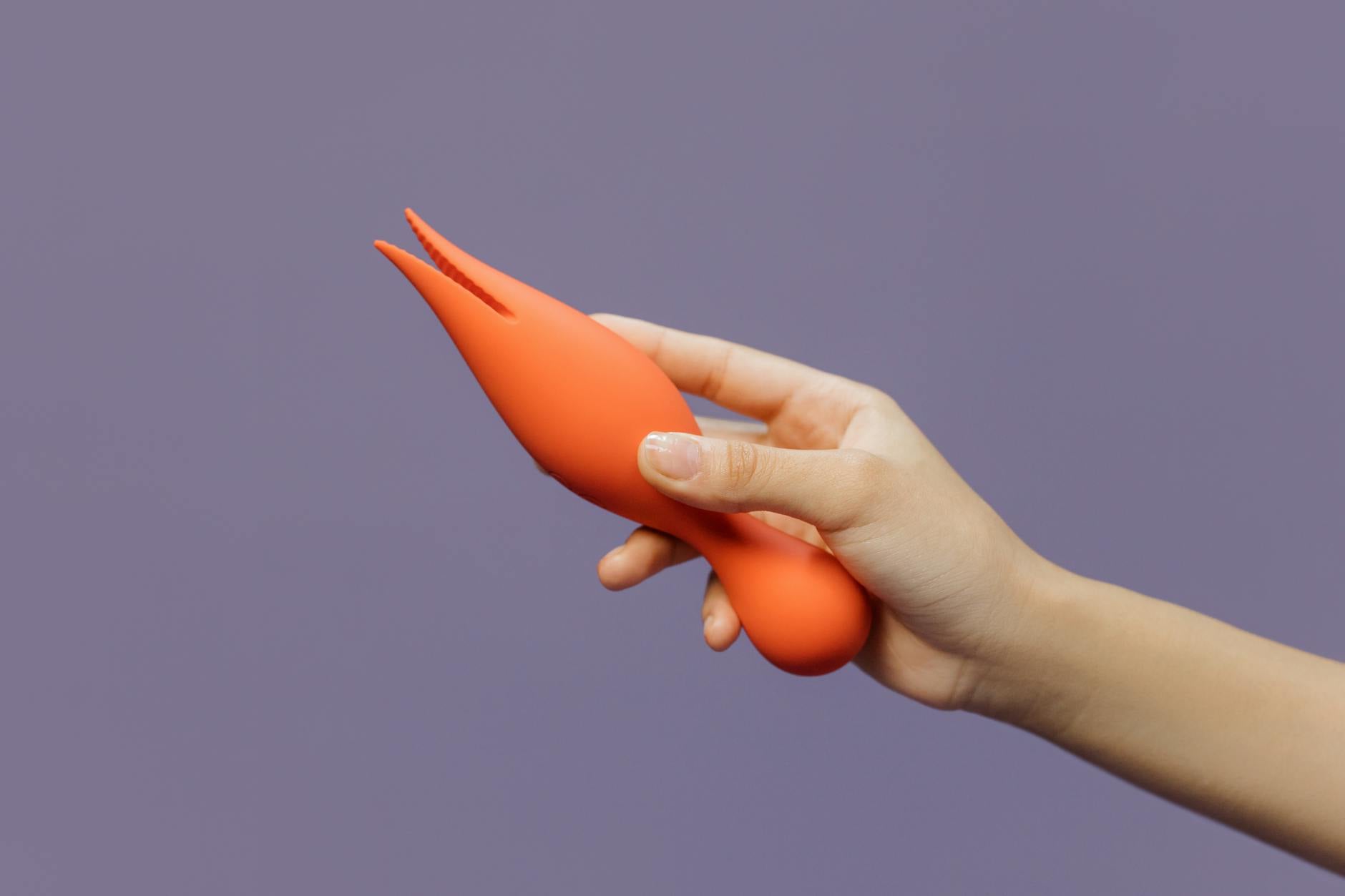
Lemon clitoral vibrators like the Lem use air-suction technology instead of traditional vibration. This is important. Suction works through a different neural pathway than vibration. Rather than trying to stimulate already-dampened nerve endings with more vibration, air-suction creates a gentle pulling sensation that engages sensation through a different mechanism.
Think of it this way: if traditional vibration is like trying to reach someone through a fog with a whisper, suction is like tapping on their shoulder. It's a completely different signal.
The neuroscience behind why suction works when sensation is numb
Your clitoris has thousands of nerve endings, but they're organized into different sensory systems. Some are sensitive to vibration and pressure. Others respond better to change in pressure, tension, and sustained gentle pulling. When medication has dampened your overall sensitivity, those alternative pathways often remain functional.
A lemon sucker vibrator bypasses the numb pathways and activates the ones that are still responsive. It's not about forcing more sensation in. It's about finding the channels that still work.
I've worked with clients who felt completely sexually dead on SSRIs. They'd tried every vibrator, every technique, every workaround. Many had resigned themselves to accepting permanent numbness as the price of mental health. Then they switched to an air-suction device, and the difference was immediate and shocking.
One client described it as "suddenly realizing the fog had a shape. I could finally feel something." That's not an exaggeration. It's the difference between stimulation reaching your nerve endings and stimulation bouncing off them.
How to integrate lemon vibrators into medication-affected pleasure
Start low and slow. This matters more when you're dealing with medication-induced numbness because your body's arousal curve is already flattened. Budget 20-30 minutes for solo play instead of 10. Your nervous system needs time to warm up.
Begin at the lowest suction setting and spend 5-10 minutes there, even if you feel nothing at first. The sensation often builds gradually and then suddenly arrives. That delayed onset is normal with medication-affected bodies. It's not a sign the device isn't working. It's your body slowly waking up.
Use water-based lubricant, even though air-suction doesn't technically require it. Lube creates a better seal and can help the sensation feel more pronounced when baseline sensitivity is low. It's a small thing that often makes a real difference.
Be patient with yourself. Pleasure after medication has dampened it doesn't return instantly, and it often feels different than it did before. That's okay. You're not chasing your pre-medication orgasms. You're building new ones.
When to talk to your doctor
Here's something crucial: don't stop your medication to get your orgasms back. That's not a real choice, and your doctor will tell you the same thing.
What you should do is tell your prescriber about the sexual side effects. Seriously. Make an appointment and say it out loud. I know it feels awkward. Most people would rather sit in numb silence than have this conversation. But your doctor has heard it dozens of times. They have solutions.
Depending on your medication, your options might include:
- Timing adjustments (taking your dose at a different time of day)
- Adding a medication that counteracts sexual side effects (like bupropion alongside an SSRI)
- Switching to a different medication in the same class that has lower sexual side effects
- Temporarily lowering your dose if possible
Most people don't know these options exist because they've never mentioned the problem. So mention it.
The bridge between medication and pleasure
Medication-induced numbness feels permanent because it's consistent and chemical. But it's also manageable once you understand what's happening and use tools designed for chemically-dampened sensation.
A lemon clitoral vibrator isn't a workaround to replace your medication or prove you're broken. It's a bridge. It lets you feel pleasure while you're taking medication that's essential for your mental health and overall wellbeing.
Your sexual life doesn't have to be a casualty of getting treatment. You just need the right approach.
FAQ: Medication and sensation loss
Can you still have orgasms on SSRIs?
Yes, but the pathway might be different. Some people find that orgasm on an SSRI takes longer to build and feels more subtle. Others find that once sensation returns, it's actually more intense because the anxiety that originally required the SSRI is gone. The key is patience and the right stimulation method. Air-suction devices work particularly well because they engage different nerve pathways than traditional vibration.
Will switching vibrator types actually help if the numbness is from medication?
Often yes, but it depends on the specific medication and how it's affecting you. Vibration-based tools tend to fail when baseline sensitivity is low because they're competing with already-dampened sensation. Air-suction devices like lemon vibrators engage through a different mechanism, so they frequently work when standard vibrators don't. That said, some people benefit from combining approaches. Talk to your doctor about your specific medication and consider trying different device types to see what your body responds to.
What if I switch to a different antidepressant? Will sensation come back?
It might, depending on which medication you switch to. Bupropion and tricyclic antidepressants have lower rates of sexual side effects than SSRIs. If sensation doesn't return after switching, that's worth raising with your doctor again. Sometimes it takes a few weeks for your system to adjust. Sometimes you need to also address other factors like stress, relationship dynamics, or your own comfort with pleasure.
Is it safe to use vibrators while on psychiatric medication?
Completely safe. There are no interactions between psychiatric medications and personal pleasure devices. Using a vibrator isn't going to interfere with your medication or its effects. The only thing that matters is your own comfort level and consent.
Will taking a higher dose of my medication make the numbness worse?
Generally yes. Higher doses of SSRIs and SNRIs often correlate with more pronounced sexual side effects. If you're experiencing severe numbness, talk to your prescriber about whether a dose adjustment might help without sacrificing your mental health benefits. Sometimes a slightly lower dose maintains your mood stability while allowing some sensation to return.
How long does it take to feel sensation again if you change medications?
It varies widely. Some people notice improvement within a few days. Others take 2-4 weeks to notice changes in sexual sensation. This is separate from how long it takes for the medication itself to work for your mental health. Patience is important here. If after 4-6 weeks you're still experiencing significant numbness, that's worth another conversation with your doctor.
Your mental health matters. Your pleasure matters too. They're not opposing forces. You deserve treatment that keeps you stable and tools that let you feel good in your body. A lemon clitoral vibrator is one of those tools, and it's worth trying if medication has numbed your sensation.