Here's the thing about disconnection
Your body isn't broken. It's just not receiving the message anymore. You touch yourself, nothing happens. A partner touches you, it feels like it's happening to someone else. The machinery works, but the signal is dead. And the worst part? Most vibrators make it worse because they're too much sensation all at once, or the wrong kind entirely.
Disconnection from pleasure is wildly common, and it's not something anyone talks about until you're sitting in a therapist's office or scrolling Reddit at 2 a.m. looking for proof you're not alone. You're not.
What actually causes the disconnect
Disconnection doesn't have one cause. It could be a combination of things: prolonged stress that's lived in your nervous system for years, medication that dampens arousal signaling, past trauma that makes sensation feel unsafe, relationship dynamics that taught your body to suppress response, or sometimes just the accumulation of not being touched in a way that felt good for so long that your nervous system forgot what pleasure actually registers as.
The neuroscience part: your brain literally stops prioritizing those signals if they haven't been reinforced. It's like a pathway that hasn't been used. The connection is there, but the traffic isn't flowing.
Why traditional vibrators often backfire
Most vibrators use direct vibration. They buzz. Your body expects sensation in response to that buzz, and when the signal still doesn't land, it creates this uncomfortable limbo where you're being stimulated but not feeling stimulated. It's anxiety-inducing. The body learns: "This doesn't work either." And the disconnection deepens.
That's also why some people with disconnection respond better to touch that's gentler, slower, or uses a completely different mechanism altogether. Direct vibration sometimes feels more like agitation than pleasure when your nervous system is already under-responsive.
How suction-based stimulation rewires the signal
Lemon clitoral vibrators work with suction instead of vibration. This matters more than you'd think. Suction creates a gentler, more sustained pressure that pulls blood flow into the tissue without relying on the rapid-fire nerve signals that traditional vibrators need. It's less demanding of your nervous system.
More importantly, suction feels different. When your body has learned not to respond to one stimulus, introducing a completely new sensation can bypass those learned patterns. You're not asking your nervous system to pay attention to the same signal it's been ignoring. You're introducing a signal it doesn't have a script for yet.
Manypeople with disconnection report that a lemon sucker feels like something's actually happening, whereas traditional vibrators still feel like nothing. That shift from "nothing" to "something" is the beginning of rewiring.
The rhythm and pattern piece
Lemon vibrators have multiple intensity levels and pulse patterns. This is crucial when reconnecting. You're not blasting yourself with one setting and hoping something lands. You're starting at pattern one, noticing what that feels like (even if it's subtle), and slowly introducing variation. That variation is what teaches your nervous system to pay attention again.
Disconnection often feels like numbness, but it's more accurate to think of it as inattention. Your nervous system deprioritized this sensation. Introducing new patterns, slowly, at lower intensities, with varied rhythm, gradually tells your brain: pay attention here, something is happening.
Solo exploration is the first move
If you're reconnecting with pleasure after disconnection, doing this alone first is protective. No pressure to perform or feel something by a certain timeline. No partner waiting for you to respond. Just you and the possibility that something might feel good, on your own schedule.
Start with fifteen minutes, no goal other than noticing. Not: "I need to feel turned on." Just: "What does each pattern feel like? Does any of it register as slightly pleasant?" Pleasure is a skill that rebuilds in small data points. One slightly pleasant sensation today, a warmer one tomorrow.
When reconnecting takes time (and that's normal)
If you've been disconnected for months or years, rewiring doesn't happen in one session. It can take weeks. The nervous system learns slowly. But most people notice something shifts within a few sessions: a slight warmth, a subtle response, a moment where sensation actually registers instead of just being applied to your body from the outside.
That's the moment where you know the pathway is opening again. It's not fireworks yet. It's just evidence that your nervous system is starting to process pleasure as a thing worth paying attention to.

Photo by Ihsan Adityawarman on Pexels
The patience piece (yes, it matters)
Reconnecting is not sexy. It's slow. It's methodical. You're essentially teaching your nervous system a new language. And most people's instinct is to rush it: "Why aren't I feeling turned on yet? Let me try intensity three instead of one." That backfires. Your nervous system gets overwhelmed and learns again: nope, not happening.
The people who succeed at reconnecting are the ones who stay at lower intensities longer than feels intuitive. Who check in with subtle responses instead of waiting for the big ones. Who are willing to spend three weeks with patterns one and two before moving to three.
If you have a partner in the picture
If reconnection is happening in a relationship, the conversation needs to be separate from the mechanics. "I'm working on reconnecting with my own pleasure" is different from "Our sex life needs to change." Both might be true, but they need their own bandwidth.
You can show your partner what you're discovering solo. That's different from asking them to "fix" your disconnection. Your nervous system needs to do the basic rewiring first. Then, once you've established that sensation can register, you can expand that into partnered dynamics.
What happens after reconnection starts
Once the pathway reopens even slightly, most people find that partnered pleasure becomes possible again. Not because your body was broken, but because the signal was re-established. You remembered what pleasure registers as. Now your nervous system knows to pay attention when it's happening, whether solo or with someone else.
Many people also report that after reconnecting, they need different kinds of stimulation than they did before the disconnection. That's information, not failure. Your body might prefer slower builds, or specific patterns, or a combination of suction and gentler vibration. That's your body telling you what it needs.
The tool that works: why lemon vibrators specifically
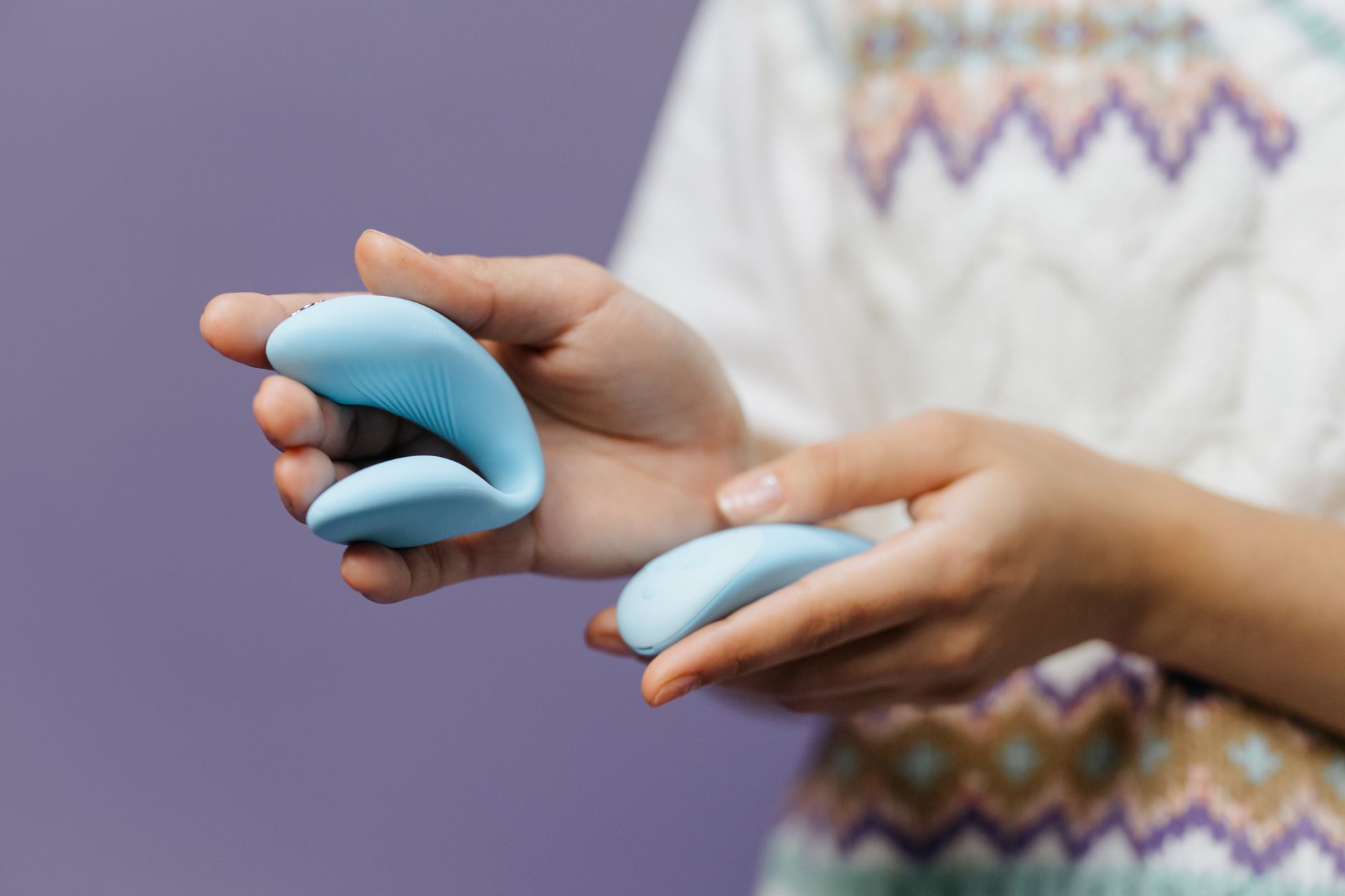
Lemon clitoral vibrators use air-suction technology instead of direct vibration, which makes them particularly effective for people whose nervous systems are under-responsive or guarded. The suction creates sustained, gentle pressure that feels qualitatively different from a buzzing toy. For someone with disconnection, that difference can be the bridge back to sensation.
Start slow. Stay patient. Let your body learn that pleasure is happening again, one subtle sensation at a time.
Frequently asked questions
How long does it usually take to feel reconnected again?
It varies, but most people notice some shift within two to three weeks of consistent practice, starting at low intensities. Real reconnection, where you feel genuinely aroused and responsive, often takes four to eight weeks. The timeline depends on how long the disconnection lasted and what caused it. If it stemmed from stress or medication, things can shift faster. If it's been years, it's a slower rewiring. Be honest about your starting point and don't rush the process.
Is it normal to feel nothing even with a lemon vibrator initially?
Completely normal. If you've been disconnected for a long time, even a lemon sucker might not produce instant sensation. You might notice subtle warmth, slight tingling, or just the awareness that something is happening. That's not failure. That's reconnection starting. The dramatic responses come later, after your nervous system has had time to relearn the signal.
Should I reconnect solo or with a partner?
Solo is almost always the answer first. Your partner's presence adds expectation, pressure, and a timeline that isn't yours. Alone, you can notice tiny shifts without judgment. Once you've established that sensation registers, you can gradually include a partner if you want to. But the foundational rewiring works better in privacy.
What if I'm on medication that's dampening pleasure signals?
That's a conversation with your prescriber. Some medications genuinely suppress sexual response, and sometimes there are alternatives or timing adjustments that help. Don't stop medication on your own, but do mention to your doctor that sexual response has been affected. Then, while you're exploring medication options, a lemon vibrator can still help train your nervous system to respond when the medication's effect is less pronounced (sometimes that's at specific times of day).
Can reconnection happen if I'm also processing trauma?
Yes, but slowly and carefully. Trauma-informed reconnection sometimes needs support. A therapist trained in somatic work can help you rebuild safety in your body alongside the reconnection work. A lemon sucker can be part of that process, but it's not the whole answer if trauma is the root cause. Your body needs to know it's safe first.
What if nothing changes after two months?
Something has probably shifted, even if it's subtle. But if genuinely nothing has changed, it's worth revisiting what's actually causing the disconnection. Is it medication? Stress that's still active? Relationship dynamics? Past trauma? Sometimes reconnection stalls because the underlying cause hasn't been addressed. That's not a failure of the tool. That's useful information that your disconnection might need a different kind of support.
Your nervous system knows how to feel pleasure
It just forgot for a while. Reconnection is the practice of reminding it. You're not broken. You're not stuck. You're just slowly rebuilding a pathway that's temporarily offline. That work takes patience, the right tool, and the willingness to notice small shifts instead of waiting for the obvious ones.
Start with a lemon clitoral vibrator at low intensity. Notice what happens, without judgment. Let your body learn, slowly, that pleasure is something worth paying attention to again. That reconnection is already beginning.