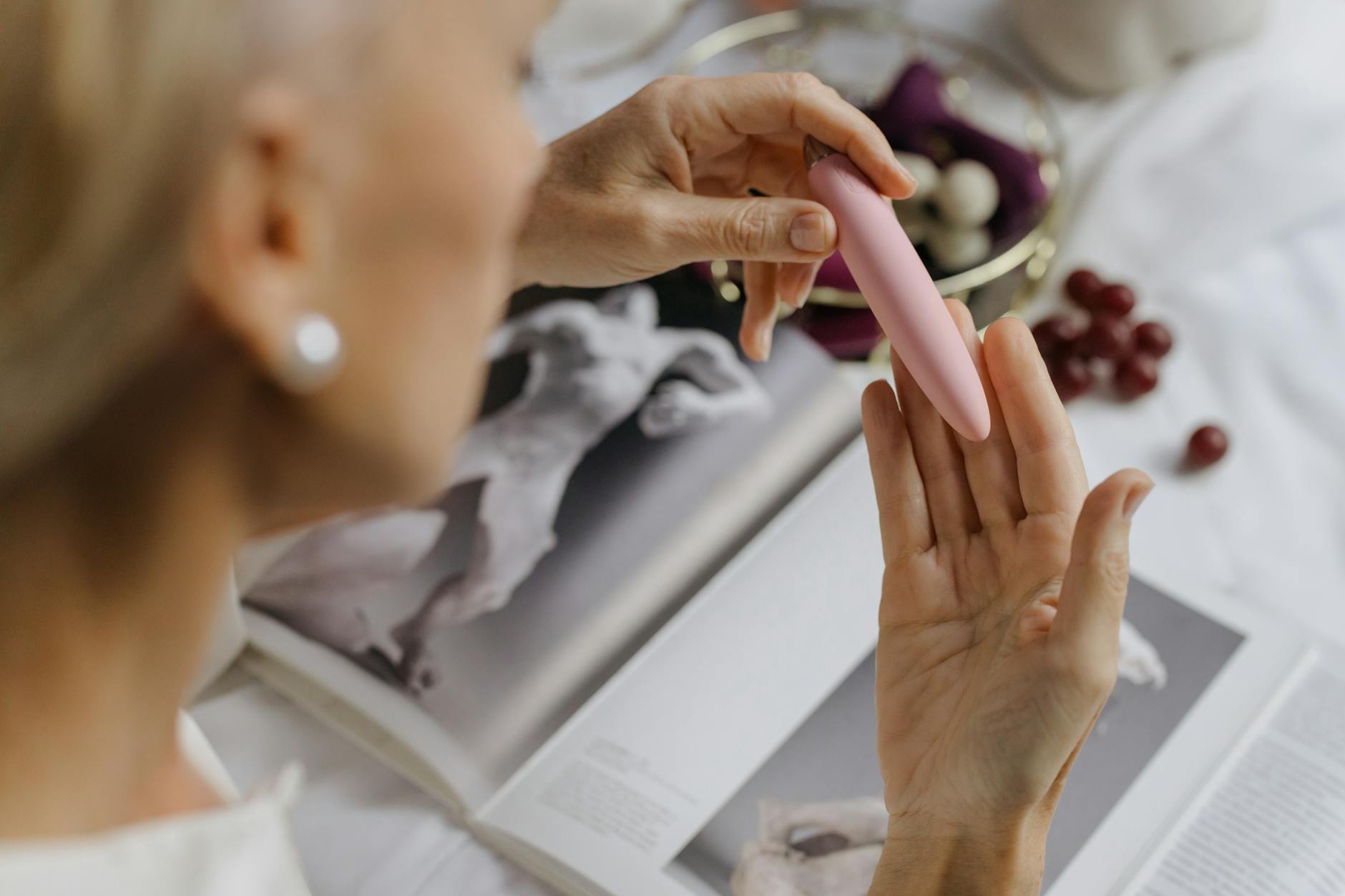
The problem nobody talks about
Your clitoris is too sensitive. Not "sensitive in a good way." Too sensitive. Direct touch feels like touching a nerve ending, which is basically what you're doing. Vibrators make it worse. Fingers make it worse. The idea of orgasm sounds good until the actual moment, when intensity becomes pain.
Here's the thing: this isn't uncommon, and it's not something you need to live with quietly.
Why clitoral hypersensitivity happens
The clitoris has more than 8,000 nerve endings packed into a structure the size of a pea. That density is why it's wired for pleasure. But it's also why direct, sustained pressure can feel overwhelming.
Hypersensitivity shows up for several reasons. Hormonal shifts (ovulation, menstrual cycle, medication changes, even stress) can amplify nerve responsiveness. Sometimes it's physical: irritation from clothing, aggressive masturbation habits over years, or even vigorous partnered sex can make tissue tender and nerves more reactive. Sometimes it's psychological. Anxiety, trauma, or even just performance pressure can make your nervous system interpret normal sensation as too much.
The problem isn't your clitoris. It's the tool. Direct vibration or friction was never designed with hypersensitivity in mind. Most vibrators stimulate by pressing and moving against tissue. If your nerves are already firing at 80% capacity, adding vibration pushes you past 100 in seconds.
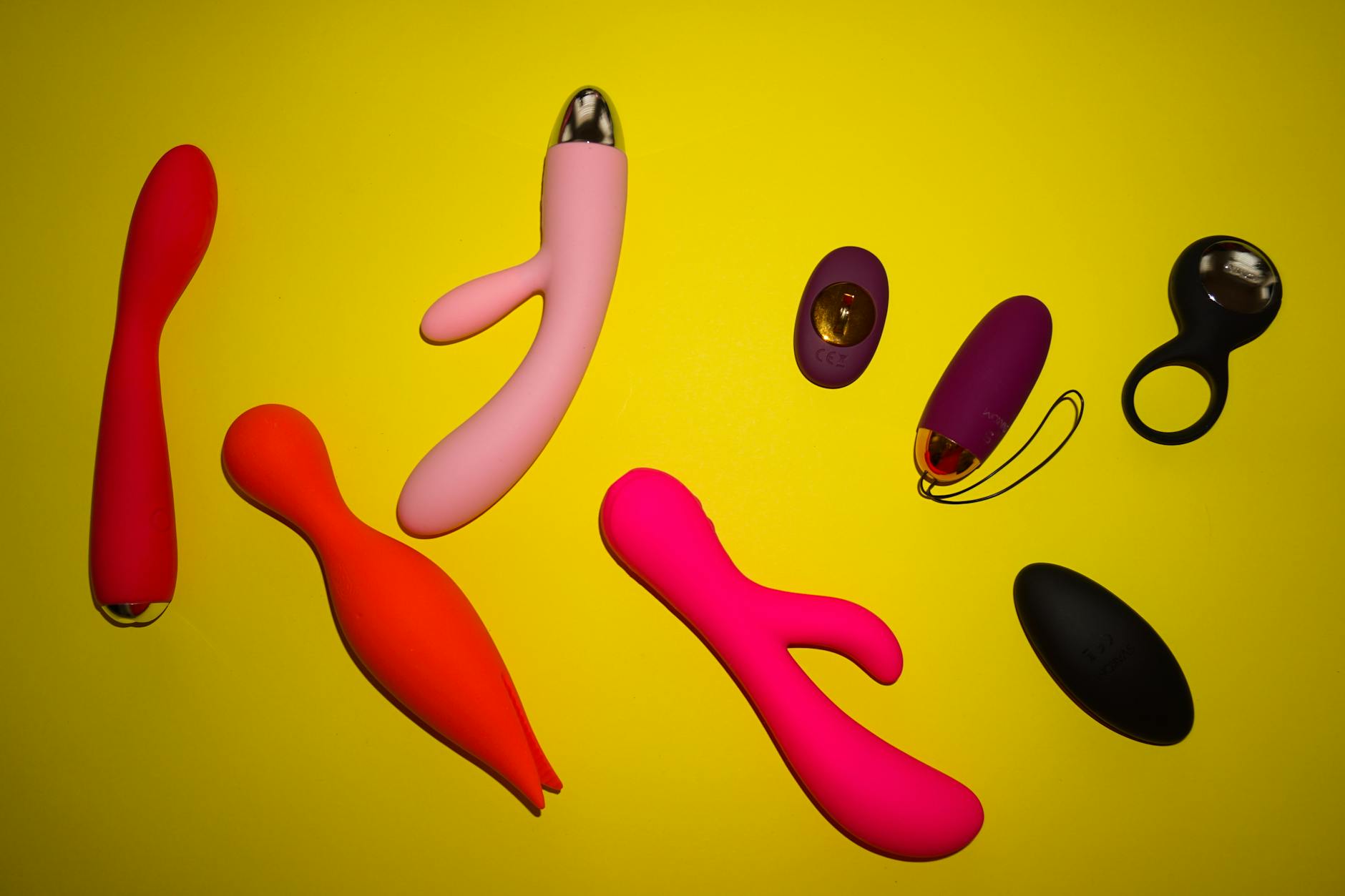
Photo by FounderTips on Pexels
How suction changes everything
Let's talk about how lemon clitoral vibrators actually work. Instead of direct pressure or vibration, suction-based tools like the Lem use gentle air pulse technology. The clitoral head sits inside a small cup, and rhythmic suction creates stimulation without friction against sensitive tissue.
This matters because suction distributes sensation differently. You're not concentrating pressure on one tiny area. You're creating a broader wave of stimulation that involves the whole clitoral structure, not just the exposed glans.
The result: intensity without the rawness. People with hypersensitivity often report that suction feels gentler at lower settings, while still building to satisfying orgasm. You can stay in the sweet spot longer without hitting a ceiling where sensation becomes uncomfortable.
The practical setup
If you've tried vibrators before and they hurt, here's how to approach a lemon vibrator differently.
Start with the lowest setting. The Lem has multiple intensity levels. Begin at pattern 1 or 2, which is subtle enough that many people say it barely feels like stimulation at first. That's the point. Your nervous system gets time to warm up without overwhelm.
Add lubrication even though you might think you don't need it. Water-based lube creates a slight barrier between your skin and the cup opening, which softens sensation further. It also helps the suction seal work better, ironically making the experience more comfortable and more effective.
Take your time with arousal. Hypersensitivity often comes from approaching stimulation when you're not fully aroused yet. Spend 10-15 minutes on foreplay, on your own or with a partner, before introducing the toy. More blood flow to the area actually helps distribute sensation and makes it feel less raw.
Experiment with positioning. You don't have to use it the way the marketing photos show. Some people find that angling it slightly, or pressing it a bit less firmly, changes how the stimulation feels entirely. Your body will tell you what works.
When intensity still feels like too much
If you're still hitting a wall, a few things help.
Try using the toy with a barrier between you and the cup. Some people slip a thin cloth (like a cotton panty liner) into the cup opening. This mutes sensation slightly while keeping the suction effect. It sounds weird, but it works, and you can gradually remove the barrier as your nervous system adjusts.
Look at what else might be amplifying sensitivity. Are you using certain soaps that irritate? Wearing tight clothing that creates friction? Are you at a high-stress point in your cycle or your life? Hypersensitivity is often a symptom, not a character trait. Addressing the underlying cause sometimes shifts everything.
If trauma is involved, consider working with a sex therapist. Hypersensitivity after trauma can be your nervous system protecting you. A skilled therapist can help you gradually retrain that response so pleasure feels safe again. That process often goes faster with the right tool alongside it.
How lemon vibrators fit into your pleasure life
The Lem and other lemon clitoral vibrators exist because direct vibration doesn't work for everyone. That's not a limitation of your body. That's a design problem that suction solves.
Many people find that once they can use the toy without pain, the experience shifts something else too. You might discover that you want orgasms that actually feel intense, which sounds contradictory until you experience it. The difference between intensity and pain is often just about the delivery method.
If you're partnered, suction-based lemon vibrators also change the dynamic. You can use them together without the awkward pressure of a partner worrying they're hurting you. The barrier between tool and tissue means there's less risk, which means more relaxation, which means better everything.
The nervous system piece
Here's something most toy guides skip: your nervous system adapts. If you've been avoiding sensation because it hurt, your body expects it to hurt. Using a gentler tool, consistently, actually retrains your nervous system over weeks. Many people report that after a month of regular use at low settings, stimulation that once felt painful feels manageable. After two months, it feels good.
That's not placebo. That's neuroplasticity. Your brain learns that sensation equals safety and pleasure, not pain. The lemon vibrator becomes a tool for that learning.
The bottom line
Hypersensitivity is real. It's also solvable. The problem is almost never your clitoris. It's the tool. Suction-based clitoral vibrators like the Lem work differently than traditional vibrators because they stimulate without friction. For people whose nerves are already running hot, that difference is everything.
Start low. Add lubrication. Give yourself time. Your nervous system will catch up, and then pleasure stops being something you tolerate and becomes something you actually want.
People also ask
Can hypersensitive clitoris be permanent?
No. Clitoral hypersensitivity is usually a temporary state caused by physical irritation, hormonal fluctuation, or nervous system responses to stress or trauma. With the right approach, sensitivity normalizes. Many people find that consistent, gentle stimulation with a tool designed for their body actually reduces hypersensitivity over time as the nervous system learns that sensation is safe.
Why does my clitoris hurt when I touch it directly?
Direct pressure on the clitoral glans concentrates all sensation into one tiny, extremely nerve-dense area. If your tissue is already irritated or your nervous system is in a heightened state, that concentration can feel overwhelming or painful. Suction distributes stimulation across a broader area, which many people experience as gentler and more manageable.
Is suction better than vibration for sensitive clitoris?
For hypersensitivity, yes. Suction-based tools like lemon clitoral vibrators work without direct friction, which means you can get stimulation without the rawness that traditional vibrators create. That said, everyone's body is different. Some people with sensitivity prefer specific patterns or intensities on certain days. Experiment at low settings to find what works for yours.
How long does it take for clitoral sensitivity to go down?
It depends on the cause. If it's irritation from a specific soap or practice, you might feel better in days. If it's hormonal, it can shift with your cycle. If it's from nervous system activation (stress, trauma), gentle, consistent stimulation often helps normalize sensation within 2-4 weeks. The key is consistency and patience, not pushing past discomfort.
Can I use a clitoral vibrator if my clitoris is too sensitive right now?
Yes, but strategically. Start with the lowest setting, add lubrication, and use it for very short periods at first. Many people with hypersensitivity find that a few minutes on the gentlest setting is enough to start retraining their nervous system without triggering pain. You're not trying to reach orgasm on day one. You're teaching your body that sensation can feel safe.
What if suction vibrators still feel too intense?
Try using a thin barrier (like a panty liner) between your skin and the cup, use even more lubrication, experiment with different angles, or talk to a sex therapist who specializes in sensation issues. Sometimes hypersensitivity has a psychological component, and addressing that alongside physical tools makes all the difference. There's no shame in needing support to get there.
The real story
Your clitoris isn't broken. The stimulation method just didn't match your body. Lemon sexual toys and other suction-based vibrators exist specifically because millions of people discovered that different doesn't mean less. It means better. Start where you are, trust the process, and let your nervous system catch up to what's actually possible for your pleasure.
When you're ready to explore further, reach out to us. We're here to help you find what actually works.