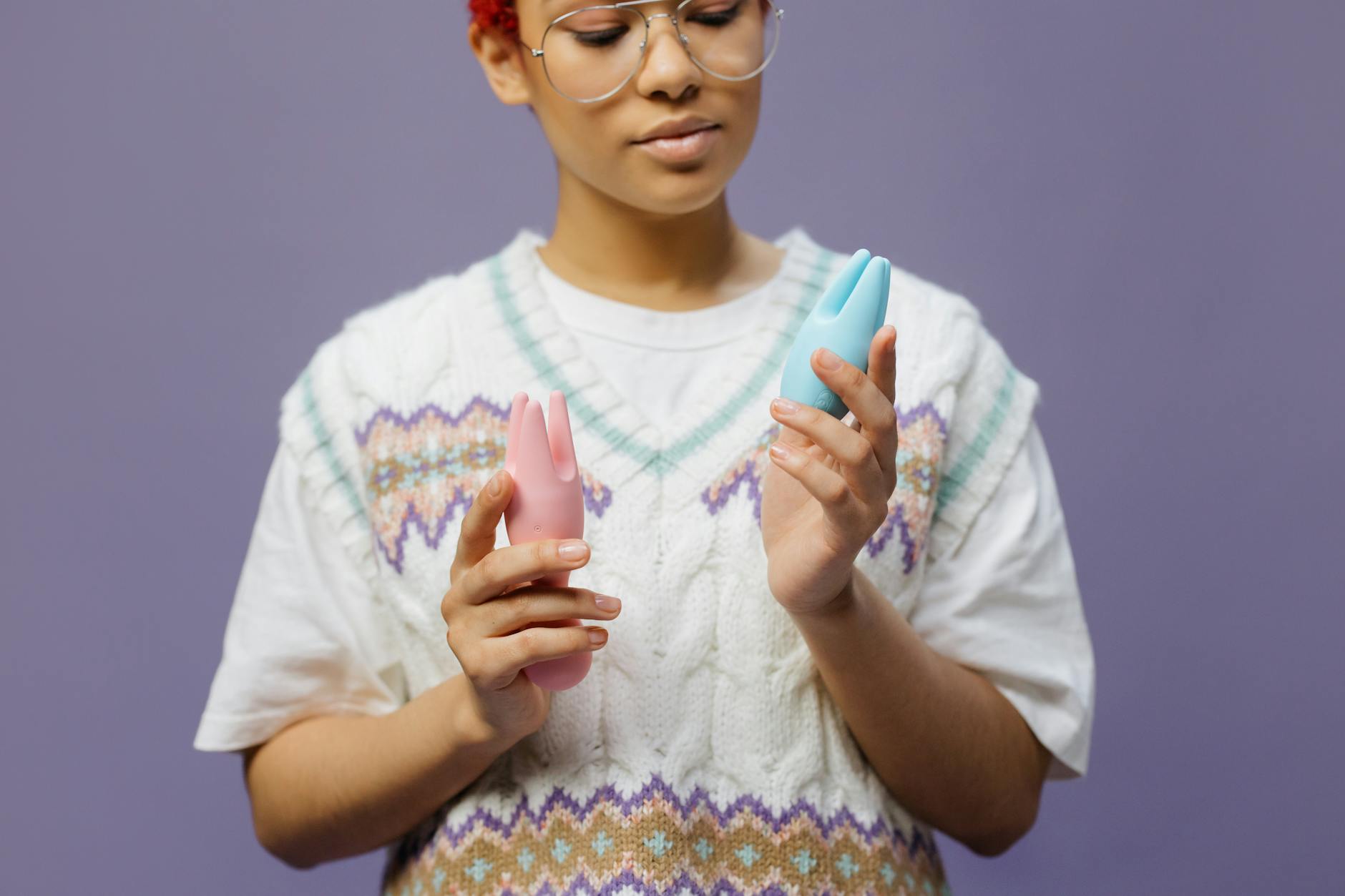
How Lemon Vibrators Help When Your Partner Is Skeptical About Toys
Let's be real: your partner probably thinks introducing a toy means you're unhappy with them. It feels like rejection disguised as pleasure. And that fear stops a lot of couples from exploring something that could actually deepen their connection.
Here's what I see in my practice over and over. The partner who's skeptical isn't protecting the relationship. They're protecting their ego. And the moment they understand that a lemon clitoral vibrator has nothing to do with their adequacy and everything to do with your nervous system, everything shifts.
This isn't about convincing your partner they're wrong. It's about reframing the conversation entirely.
The myth your partner believes
Toys mean you prefer them to your partner. That's the core fear, and it's understandable. We've all absorbed the cultural message that good sex is supposed to happen between two people without "assistance." A vibrator feels like evidence of failure.
But here's what the research actually shows. Studies on couples who use toys together report higher satisfaction, stronger communication, and more frequent sex. Not less. The lemon clitoral vibrator doesn't compete with your partner. It competes with your partner's assumption that they should be able to create every sensation your body needs.
That assumption is the problem, not the toy.
What's really happening when a partner resists
Resistance usually comes from one of three places. First, insecurity. "If I can't get you there alone, what does that mean about me?" Second, unfamiliarity. Most of us grew up with zero education about what toys are or how they work. Third, a legitimate desire to feel wanted and needed during sex.
The third one is the only one that needs a real conversation. The first two dissolve once your partner sees what actually happens.
When you use a lemon clitoral vibrator during partnered sex, your partner isn't being replaced. They're watching you experience more pleasure than you've probably had in your entire relationship. Most partners who try this once report it's wildly hot. You're not excluding them. You're inviting them into a deeper experience of your body.
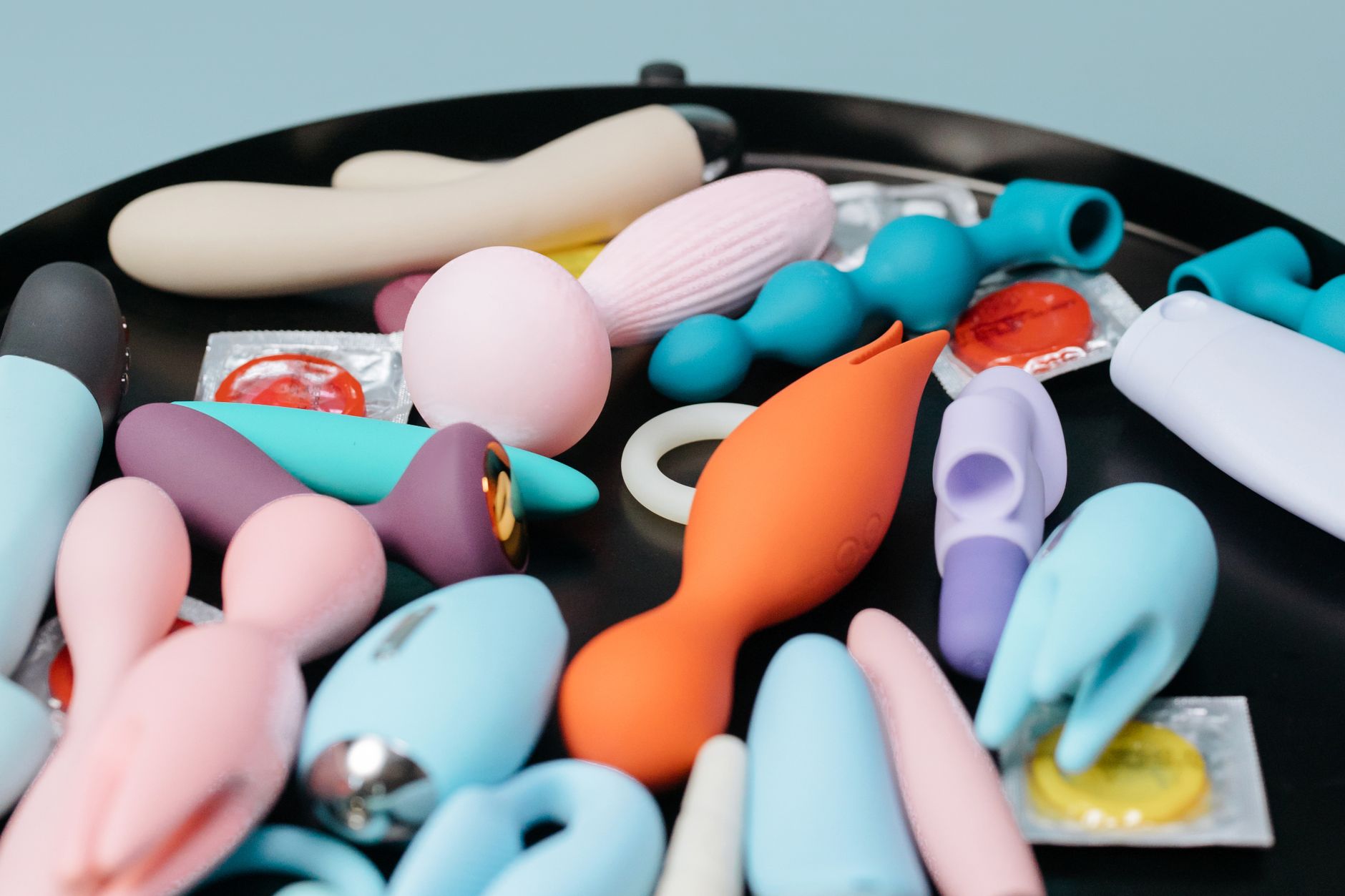
Photo by cottonbro studio on Pexels
Why the lemon clitoral vibrator specifically changes minds
There's something about the design of a lemon vibrator that makes it less threatening to skeptical partners. It's small. It doesn't look medical or intimidating. You can use it during sex without it creating distance. Your partner can touch you while you use it. They can feel what's happening.
Compare that to a wand vibrator that takes up space, or something that requires you to be solo. The lemon clitoral vibrator integrates into partnered sex naturally. It becomes part of the experience rather than a third party.
And because the stimulation is different from what their hands or body can create (suction rather than vibration or friction), your partner gets to witness something genuinely new. Your pleasure becomes collaborative discovery instead of a referendum on their performance.
The conversation that actually works
Don't lead with "I want to use a toy." That frames it as a problem that needs solving. Lead with curiosity about your own body.
"I've been thinking about what makes me feel most satisfied, and I'm realizing my body needs more focused stimulation than I usually give it. I found something I want to try. Would you be willing to explore this with me?"
That invitation is different. It's not "you're not enough." It's "I want to feel more, and I want you here."
If your partner pushes back, ask directly: "What are you worried will happen?" Sit with the answer. Don't defend. Listen. Most of the time, the worry dissolves once it's named. He worries he'll feel inadequate. She worries the relationship is in trouble. They worry sex will become about the toy instead of connection.
Then you address that specific fear with evidence from your experience. "What I'm actually looking for is a way for us to both feel more pleasure together. I want you here. I'm not doing this instead of you. I'm doing this with you."
What actually happens the first time
If your partner agrees to try, the first time usually surprises them. Watching you experience intense pleasure from something they can hold, touch, and control changes something. It's not threatening. It's intoxicating.
Many partners who were skeptical end up being the ones who want to use the toy more often, or who suggest trying it in different positions. The resistance wasn't about the toy. It was about the unknown.
Start small. Use it during foreplay. Let them hold it. Let them watch. Narrate what you're feeling. "That feels incredible." "I love that you're watching." "I want you inside me while I use this." The words matter because they keep the connection centered.
If your partner stays resistant
Some partners won't come around, at least not immediately. That's fair. But it's also worth examining. If someone refuses to engage with anything that might increase your pleasure, that's not about toy skepticism. That's about control.
You deserve to explore your body. You deserve to feel good. A lemon clitoral vibrator isn't a luxury or a threat. It's a tool for your own pleasure, with or without a partner.
If your partner is willing to have a real conversation but needs time, give them time. Send them articles. Introduce them to how lemon vibrators actually work in relationships. Let them hear from other partners that skepticism turned into enthusiasm.
But don't shrink your sexuality to accommodate someone else's insecurity. That path leads to resentment, not connection.
The reframe that shifts everything
Here's what I tell couples when the skepticism is strongest. A vibrator isn't about replacing anything. It's about expansion. Your partner gets access to a version of you that's more responsive, more confident, more present. That version of you is better for both of you.
When you feel good, you show up differently in sex. You're less in your head. You're more available. You communicate more clearly about what you want. All of that benefits your partner directly.
The lemon clitoral vibrator isn't a threat to the relationship. Avoidance of pleasure is the threat. Pretending you don't want more than what you're getting is the threat. Shame is the threat.
A small, well-designed toy that helps you feel more? That's intimacy.
Making the ask feel safe for both of you
Timing matters. Don't bring this up during or right after sex. Bring it up when you're both calm and the pressure to perform is off. "I've been thinking about something I'd like to try. Can we talk about it?"
Be specific about what you want, and specific about how your partner fits into that want. "I found a lemon vibrator that's designed to work during sex. I'd like to try using it with you inside me." Not alone. Not instead. With.
Then listen. Really listen to what the resistance is about. Is he worried he won't be aroused watching you with a toy? That's solvable. Is she worried it means you're not satisfied with her? That's solvable too. Not by avoiding the toy. By talking directly about what satisfaction means to both of you.
Why this matters for your relationship long-term
Couples who can talk openly about pleasure, vulnerability, and desire have better relationships. Full stop. The toy is almost incidental. The ability to say "I want more" and have your partner respond with curiosity instead of defensiveness is what changes everything.
A lemon clitoral vibrator is an easy entry point into that conversation. It's not about shame or dysfunction. It's about exploration. And most partners, once they get over the initial fear, find that exploration together strengthens the bond.
Your pleasure matters. Your curiosity matters. And your partner's willingness to engage with both of those things matters most of all.
People also ask
Will using a lemon vibrator with my partner make them feel less needed?
Most partners report the opposite. When they see you experience intense pleasure, they feel needed in a new way. You're inviting them into something vulnerable and joyful. That creates closeness, not distance. The key is making sure they understand the invitation is real. You want them present. You want them watching. You want them part of it.
How do I bring this up without hurting my partner's feelings?
Frame it as something you want to explore together, not something your partner is failing to provide. "I've been curious about trying something new, and I'd love for you to be part of that" feels very different from "I'm not satisfied with what we're doing." Your partner's feelings matter, and their curiosity matters too. If they care about your pleasure, they'll want to try.
What if my partner thinks using a lemon clitoral vibrator means I don't love them?
That fear usually comes from insecurity that runs deeper than the toy. It's worth exploring separately from the toy conversation. A good partner understands that your pleasure has nothing to do with how much you love them. If that reassurance doesn't land, couples counseling can help you both understand what's really going on underneath the resistance.
Can we use a lemon vibrator during penetrative sex with a partner?
Absolutely. Most lemon clitoral vibrators are designed to be small enough to use during partnered sex. You can use it while your partner is inside you, or your partner can hold it and control the stimulation. Many couples find this amplifies pleasure for both people and creates a really strong sense of connection.
How long does it usually take a skeptical partner to come around?
Sometimes one conversation is enough, especially if you can show them research or let them hear from other partners. Sometimes it takes a few conversations, or seeing it in action. Some partners need to understand their own insecurity first before they can be curious about the tool. Give it time, but also give yourself permission to explore regardless.
Is there a risk that using toys will make partnered sex feel boring?
The opposite. Partners who use toys report more frequent sex, not less. The toy doesn't replace anything. It adds texture to what you're already doing. Think of it like adding music to a dinner. The food doesn't become irrelevant. The whole experience gets richer.
The real bottom line
Your partner's skepticism probably isn't about the lemon vibrator itself. It's about what they think the vibrator means. Once you separate the tool from the meaning, everything becomes clearer.
A lemon clitoral vibrator is a way to know your body better. To feel more. To invite your partner into deeper pleasure alongside you. That's not a threat to anything worth protecting.
If you're ready to have the conversation, here's a guide to starting the toy conversation as a couple that might help both of you find common ground. And if you need to talk through the relationship dynamics underneath the resistance, that's what I'm here for. You can reach out anytime.