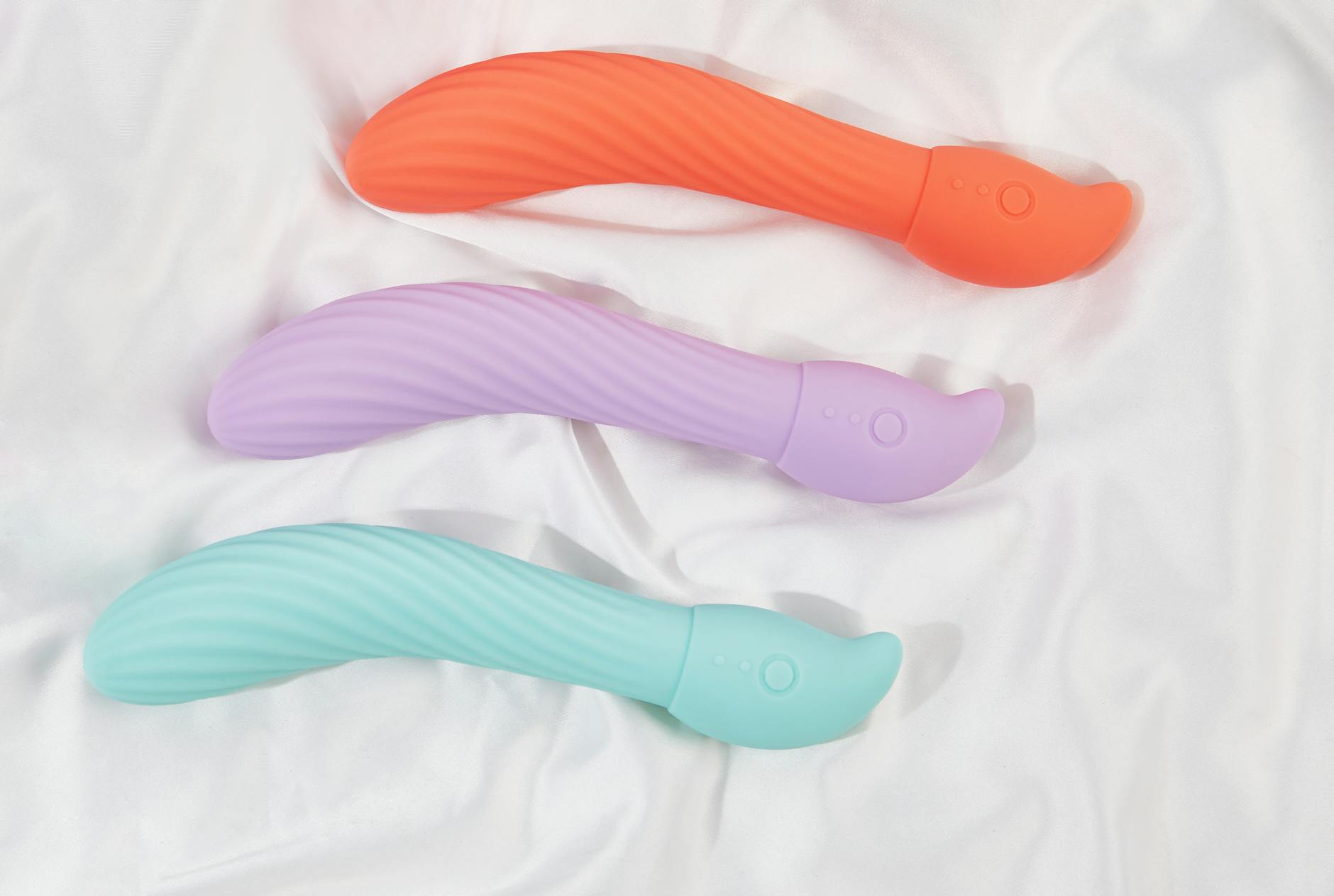
The moment your partner brought it up
Maybe they were direct. Maybe they hinted. Maybe you found it in their browser history. Whatever the route, you're here now. You have thoughts. That's the entire point of this piece.
Here's what I know from two decades of couples therapy: the moment a partner introduces a lemon vibrator is not actually about the toy. It's a proxy conversation about desire, permission, trust, and whether both people feel like they can ask for what they want. That's the real thing to address.
Why partners bring this up (and it's not what you think)
The instinct is to interpret it as criticism. "They think I'm not enough." Or anxiety: "Are they losing interest?" Or even threat: "They want something I can't provide."
None of that is usually true, and the research backs this up. When partners introduce clitoral vibrators like lemon suction toys into partnered sex, the most common reasons are not dissatisfaction. They are curiosity, desire to increase partner pleasure, and wanting to do something together that feels new.
I've worked with hundreds of couples. The ones who navigate this well are the ones who hear the actual request underneath: "I want us to try something. I want to feel close while doing it. I want permission to ask." That's a healthy relationship signal, even though it doesn't always feel like one.
What actually changes when you introduce a toy
Let's separate the physical from the relational, because they're different.
The physical part: A lemon vibrator stimulates the clitoris differently than a hand or fingers can. The suction mechanism creates a pattern of pressure and release that many bodies respond to intensely. If your partner has been trying to tell you "I like this kind of sensation," now you have a concrete way to understand what they mean. It's not replacing your touch. It's expanding the repertoire.
The relational part: When you both agree to try something together, you're doing something vulnerable in tandem. You're saying yes to experimentation. You're creating a moment where both of you matter equally. That builds intimacy in a way that's separate from the sensation itself.
What doesn't change: your role as a partner, the trust between you, the quality of emotional connection. If anything, good communication about desire strengthens all three.
The conversation you actually need to have
Don't start with "Should we do this?" Start with curiosity.
"What made you interested in trying this? What do you think it would feel like? What are you hoping would happen?" Listen without defending. Your job right now is to understand.
Then share your own feelings. Not "I feel inadequate," but the actual truth: "I was surprised. I'm curious about what you're experiencing. I also felt a little nervous about whether I'd do it right." Honesty beats reassurance every single time.
If you're genuinely uncomfortable, say that too. "I'm interested but I need a minute to process" is valid. "I don't think I'm ready yet" is also valid. What's not helpful is a vague no without explanation, because your partner will fill in the blanks with their own fears.
How to actually use a lemon vibrator together
There are two main approaches.
Approach one: they use it on themselves while you're together. You're present, you're touching them, you're watching their face. This is lowkey one of the most intimate things couples do. You get to see exactly what feels good. You get to participate without having to learn a new choreography. Many people find this intensely connecting because there's zero performance pressure.
Approach two: you use it on them. This takes practice. A lemon clitoral vibrator has variable intensity. Start low. Pay attention to their body, not the vibrator. The goal isn't maximum stimulation. It's rhythm, consistency, and presence. If you've watched them use it on themselves, you now know what speeds and patterns they like.
Most couples find that trying it solo together first (approach one) feels less awkward than jumping straight to "you operate the toy." That's fine. There's no timeline.
What this actually means for your relationship
I'm going to be direct: couples who can talk about sex and desire openly have lower divorce rates and report higher satisfaction. That's not because vibrators cause happiness. It's because the conversation that leads to a vibrator is the conversation that matters.
You're learning that your partner can want something from you and still love you. You're learning that desire is a thing you can talk about without shame. You're learning that "I want to try this" is not a criticism of what you were already doing. That's relational gold.
Some couples find that introducing a lemon vibrator actually increases the frequency and quality of sex between them. Why? Because they broke the seal on "we can ask for things." Once you've said yes to curiosity once, it gets easier the next time.
Others find it's not their thing, they try it twice, and it doesn't become a regular part of their routine. That's also fine. The point was the conversation and the willingness.
If you're still uncertain
Try this framework: separate the toy from the meaning.
The toy is a physical object. It does a specific thing. Trying it says nothing about your relationship beyond "we're willing to experiment together."
The meaning is what you assign to it afterward. And that's something you get to decide together, through conversation.
Start small. If you want to learn more about how clitoral vibrators work and what different styles feel like, read through the couple posts we've published on how to use lemon vibrators with a partner during sex and how to introduce them without awkwardness. Both have practical details that dissolve a lot of the vague anxiety.
If your hesitation is deeper—if you're worried about your own pleasure, about whether you're "enough," or about whether your partner is losing interest—that's real material for a couples conversation or even a few sessions with a therapist. You don't need a vibrator to access that. But you might find that the vibrator becomes a tool for something that was already there.
A hard truth
Your partner brought this up because they trust you enough to want to explore together. That's not nothing. That's them saying: I want this with you, not someone else. I want to try it in a context where I feel safe. I want your permission, not your judgment.
You get to say no. You also get to say yes and mean it. But say it because you're curious or willing to try something, not because you're afraid of what happens if you don't.
Frequently asked questions
Does using a vibrator during sex mean we're bored with each other?
Not at all. Couples introduce new things for a lot of reasons, and boredom is actually further down the list than people think. Most commonly, partners bring this up because they want to deepen pleasure for both people, or they're curious about what a different sensation feels like. If anything, willingness to experiment suggests comfort and trust, not the opposite.
What if I try it and hate it?
You can stop. You don't have to keep doing it. The goal isn't "we use this forever." The goal is "we tried something together." Some couples find lemon vibrators work brilliantly for them. Others try it a few times and go back to what they were doing. Both outcomes are fine.
Will my partner think I'm rejecting them if I say I'm nervous?
Not if you say it clearly and without anger. "I'm nervous about this, but I'm curious" is completely different from "I don't want to." Share what's actually true. Most partners respond well to honesty because it's less scary than silence.
Do I have to be the one to use it on them, or can they use it on themselves?
You can both. You can watch. You can take turns. There's no choreography rule here. The only rule is that both people feel comfortable. Start with what feels most natural, and adjust from there.
What if they want to use it but I absolutely don't think it's for me?
That's a conversation too. "I'm comfortable with you using this for yourself, and I like being present, but I don't think I'm ready to use it on you yet" is valid. Or "I'd rather we stick to what we've been doing." Clear communication beats performative agreement every single time. But also notice if your resistance is about the toy or about something deeper in the relationship. Those are different problems.
Is there a right time to try this?
Yes and no. The right time is when you're not rushed, tired, or defensive. That usually means a conversation happens first, separate from sex. You talk about it. You sit with it. Then when you're together again, the pressure feels lower because you've already done the emotional work.
Ready to have the conversation? Reach out if you need support working through any of this. Contact Hello Nancy to explore resources or to connect with a therapist if this touches deeper relationship questions.