
Let's be real about why this conversation feels hard
Honestly, most couples don't bring up toys because they're afraid of what it means. You worry he'll think you're not satisfied. You worry she'll feel replaced. You worry one of you will get defensive or distant. So you just don't say anything, and then you keep not saying anything, and eventually you're both pretending toys don't exist.
Here's what I've seen over decades of working with couples: the conversation is almost always easier than the dread of having it. And the regret of avoiding it lasts longer than any awkwardness you'll feel in the first five minutes of talking.
The frame that actually works
Forget "I want to try toys." That lands as criticism. Instead, make it about exploration, not replacement. "I've been thinking about ways we could both feel more pleasure together" or "I found something I'm curious about, and I'd love to try it with you." The difference is subtle, but it reframes the conversation from "something's missing" to "let's expand what we have."
Timing matters too. Don't bring it up during sex, in the bedroom, or when either of you is tired. Bring it up somewhere neutral. A walk. Over coffee. Somewhere you can both sit and actually talk without pressure.
Why lemon clitoral vibrators specifically change the conversation
If you're considering air suction toys like the Lemon, you have a built-in frame that makes the conversation simpler. "I read about these suction vibrators, and they're designed to work differently than traditional vibrators." That's factual. That's interesting. It doesn't sound like desperation. It sounds like curiosity.
Lemon suction vibrators are also less intimidating to partners who've never encountered toys before. They don't look like "traditional" vibrators. They look modern and thoughtful. Say something like: "It's not like anything we've tried. I'd love to explore it together and see if we both enjoy it."
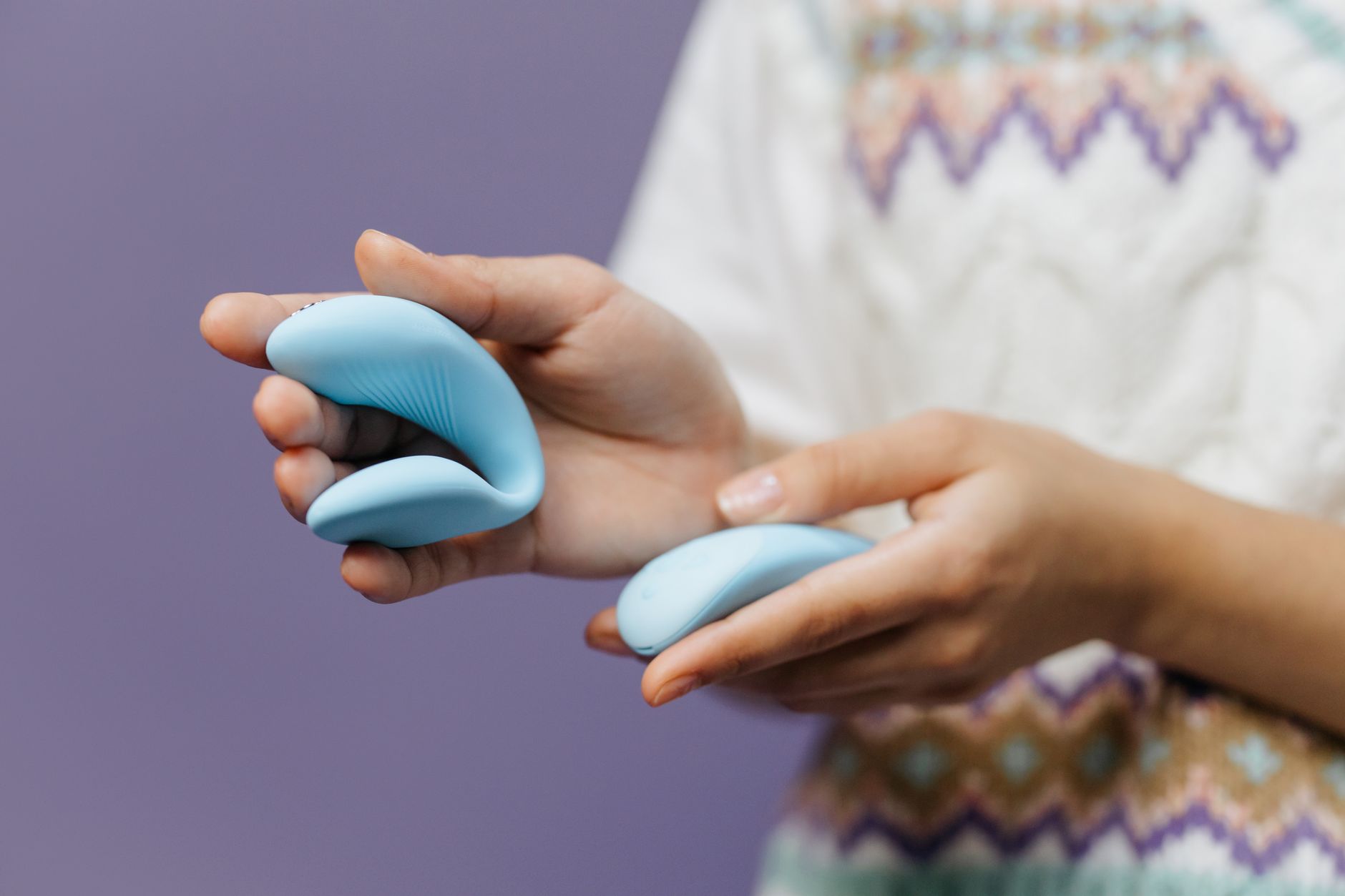
Photo by cottonbro studio on Pexels
The four things partners actually worry about (and how to address them)
"Does this mean I'm not enough?" Address this directly. "I love what we have. This isn't about wanting something different from you. It's about discovering new sensations together. You're still central to this." That's not a lie. If you frame toy use as collaborative, he or she is. For partnered sex, explain how the Lemon works alongside your connection, not instead of it.
"Will it hurt / be uncomfortable?" or "Is it safe?" Be specific. If you've researched lemon clitoral vibrators, share what you learned. Body-safe materials. Quiet operation. Different sensation from friction. This is where facts build confidence. If your partner needs reassurance, offer to read reviews together or show them Hello Nancsy's safety information.
"I don't know how to use it." Brilliant. This is actually the easiest objection to handle. "We'll figure it out together. There's no right way to do this." Lemon vibrators are intuitive. The learning curve is basically nonexistent. When you use it the first time, frame it as play, not performance.
"What if I feel weird about it?" Validate that. "It's okay if this feels strange at first. We can take it slow, or we can try it once and never touch it again. No pressure." And mean it. If the conversation ends with "okay, maybe someday," that's a win. You've opened the door.
When to actually use it (and when not to)
Don't start with the most vulnerable moment. Don't debut a new lemon vibrator during a session where one of you is already anxious or distracted. Start during sex where you're both already in a good headspace, or even during solo play if your partner's comfortable watching.
If your partner is skeptical, let them see it in action first without any pressure to participate. Sometimes watching builds curiosity faster than hearing about it. Some partners need permission to be a spectator before they're ready to be involved.
Avoid using it as a substitute for connection. If you introduce the Lemon during partnered sex, keep your hands on each other. Keep eye contact. The toy should enhance the intimacy, not replace it.
The scripts that work (stolen from actual couples)
"Hey, I found these clitoral vibrators called Lemon vibrators, and I'm curious. Would you be open to trying one together sometime?" Simple. Direct. Open. If they say no, ask why. Curiosity beats defensiveness every time.
"I love our sex life. I'm wondering if we might enjoy exploring this together. No expectations. Just exploration." This removes pressure and keeps the focus on mutual pleasure.
"I've been reading about how different types of stimulation affect sensation. I'd love to experiment with you and see if we both enjoy it." This appeals to partners who respond to information. It's less about "I need this" and more about "let's learn together."
"Have you ever thought about using toys together?" Sometimes just asking opens space for them to share thoughts they've been holding too.
What happens after you say it
There will be silence. Let it sit. Don't fill it with justifications or apologies. Let your partner process. They might ask questions. Answer them honestly. They might say no. Ask if that's a forever no or a not-yet no. They might surprise you and say yes immediately.
If the answer is yes, move slowly. Buy the lemon clitoral vibrator together if you can, or show them photos and let them have agency in choosing. When you first use it, check in. "Does this feel good?" Not "Are you enjoying this?" The specificity matters. It signals you're paying attention to their actual sensation, not just whether they're performing enthusiasm.
If sensitivity or sensation changes as you use lemon vibrators during partnered sex, that's normal. Air suction stimulation feels different. It might take a few sessions to understand how to integrate it smoothly into what you already do.
When to ask for help
If the conversation becomes defensive or shuts down entirely, that might signal something deeper. Sometimes reluctance about toys is actually reluctance about vulnerability, or fear that the relationship is in trouble. If that's happening, it's worth exploring with a couples therapist or counselor who specializes in intimacy.
Worth noting: introducing lemon sexual toys or any kind of toy isn't a fix for disconnection. It's an enhancement for couples who already have decent communication. If you're using it to avoid a harder conversation about desire or compatibility, you'll eventually hit that wall anyway.
The thing nobody tells you
Most partners who are hesitant about toys become curious once they understand how they work. The Lemon's gentle suction approach feels less clinical than traditional vibrators. It's quieter, more sensual, less "clinical toy" and more "let's explore together."
And honestly? Most couples who introduce toys together end up glad they did. Not because sex suddenly becomes perfect. Because the conversation you were afraid to have turns out to be one of the most connected moments you've shared. You got vulnerable. You asked for what you wanted. You did it together.
That's the real win.
People also ask
How do I know if my partner will react badly to me bringing up toys?
You don't, not completely. But defensiveness usually says more about their own anxiety than about you. Someone who loves you and wants you to feel good might surprise you. The only way to know is to try. Start the conversation from curiosity, not criticism, and you've done everything right.
Should I buy the toy before or after we talk about it?
After. If they agree, let them choose. If they choose a Lemon clitoral vibrator with you, they've already invested mentally. That changes the first experience from "she sprung this on me" to "we picked this together."
What if my partner says no?
Ask why. Is it disgust? Fear? Religious or cultural values? Each no has different information underneath it. Sometimes a no becomes a yes over time if you understand what's actually causing the resistance. Sometimes it stays a no, and you accept that. But you've at least had an honest conversation.
Can I introduce lemon vibrators without telling my partner first?
Technically yes. Practically, no. Surprise toys usually land badly because they skip the consent part. They also skip the opportunity for your partner to feel included in discovering something together. The conversation is the gift, not the toy itself.
How do I bring it up if we've been together for years and never talked about toys?
The longer you've been together, the easier this is, actually. You have trust. Frame it as evolution, not crisis. "I've been thinking about how we could deepen what we have" lands differently in year five than year one. And honestly, when arousal takes longer as you both age, tools like lemon clitoral vibrators become less about fantasy and more about practical pleasure.
What if they want to use the toy but I don't?
Then you've learned something important about each other. You can still be involved without directly using it. You can explore, watch, be present. Or you might discover that once you see how it works and how good your partner feels, curiosity wins out. Give yourself permission to change your mind.
The final word
Introducing lemon vibrators to your partner is just another conversation about desire. And every couple that gets better at those conversations gets closer. Not because of the toy. Because of the willingness to be vulnerable about what you actually want. That's the part that transforms a relationship, not the device. The device just gives you permission to have the conversation you've been avoiding.
Ready to have that talk? Start here. Go slow. Listen more than you speak. And remember: the fact that you're thinking about how to do this thoughtfully already means you're doing it right.
If you want help navigating relationship conversations more broadly, reach out and let's talk.