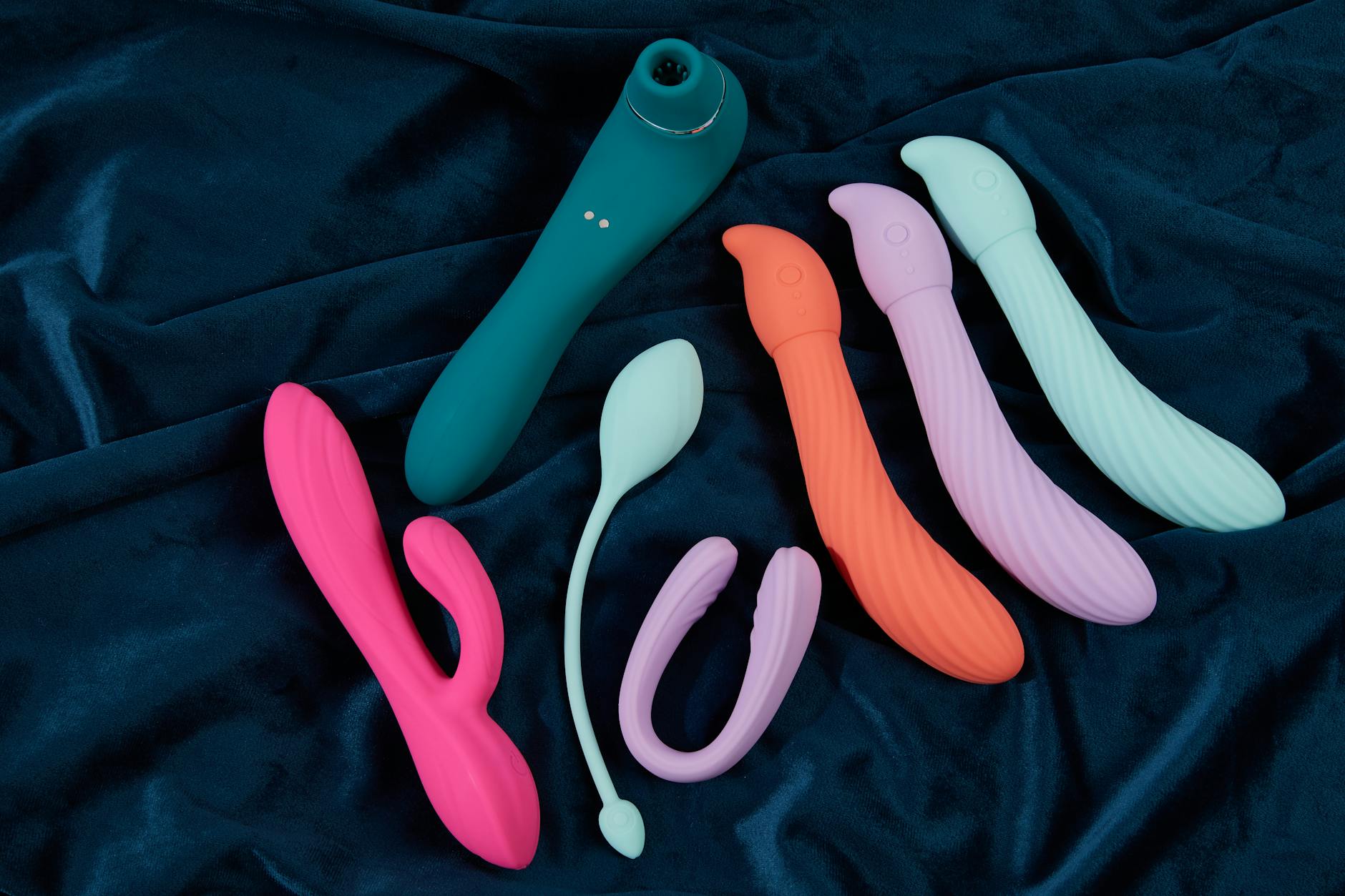
Let's start with what sensitive skin actually means
Sensitive vulva skin doesn't mean you can't use vibrators. It means your skin barrier is more reactive to friction, certain materials, or chemical irritants than average. You might notice redness, irritation, or discomfort after use that someone else wouldn't feel at all. That's not weakness. That's just information about what your body needs to feel good.
The good news: people with sensitive skin often have the best experiences with suction-based clitoral vibrators like the Lem because they work differently than traditional vibrators. Instead of direct friction against delicate tissue, they create gentle suction that stimulates through pulsing air rather than abrasion. For sensitive skin, that distinction is everything.
Why certain materials matter more for sensitive skin
Your vulva skin is permeable and vascular. It absorbs and reacts to things that other body skin ignores. This matters when choosing a lemon vibrator or any clitoral toy.
Medical-grade silicone is the gold standard. It's inert, meaning it doesn't leach chemicals or break down during use. Avoid anything labeled "jelly" plastic, PVC, or rubber—these materials contain plasticizers that can migrate into sensitive tissue and trigger inflammation.
If you're choosing between toys, medical-grade silicone is non-porous, so it doesn't harbor bacteria the way porous materials do. Clean one thoroughly after use and you're genuinely protected. The Lem's silicone head is sealed, so nothing gets trapped in crevices.
Also check finishes. A smooth, polished surface causes less friction than anything textured or ridged. This is one reason suction toys work so well for sensitivity. They don't roll across tissue.
Lubrication is not optional, it's essential
Here's the mistake I see most: people assume they don't need lube for a toy that doesn't vibrate intensely. Wrong. With sensitive skin, lubrication reduces friction, buffers the toy from direct contact, and creates a protective barrier.
Use water-based lubricant. Full stop. Silicone lubes can interact unpredictably with silicone toys (some people are fine, others get irritation). Oil-based lubes trap bacteria and can disrupt vaginal flora. Water-based is safe, washes off easily, and works with every material.
Apply it generously. Not sparingly. The goal is a slippery layer between your skin and the toy. For suction toys specifically, a good amount of lube also helps create a better seal, so the sensation is more even and less concentrated in one spot.
If you develop irritation, your lube might be the culprit. Check the ingredient list. Avoid anything with parabens, glycerin in high concentrations, or fragrance. Brands like Sliquid or System JO make hypoallergenic options that rarely trigger reactions.
Starting small and building slowly
Sensitive skin needs you to go slower than you think. This doesn't mean your pleasure will be less intense. It means the buildup takes longer.
Start with the lowest setting on your lemon vibrator or clitoral vibrator. For the Lem, that's pattern 1 or 2. Spend 5-10 minutes there before moving up. Your skin needs time to acclimate, and your nervous system needs time to warm up arousal.
Watch for early signs of irritation. Light pink is normal. Bright red, stinging, or burning is not. If you hit that threshold, stop. Finish using your hands or take a break. Your skin will thank you and you'll enjoy the experience more next time.
Many people with sensitive skin find they can use vibrators longer and more intensely once they respect the ramp-up. It's like warming up before a run. The first five minutes feel slow, but you get there.
Hygiene and cleanup matter more than you realize
Sensitive skin is more prone to irritation from bacteria, old lubricant residue, or dust. Clean your toy before and after use.
Before: rinse with warm water. If it's been sitting out, give it a proper wash with unscented soap and water, then dry completely.
After: same thing. Warm water, mild soap, thorough dry. Don't leave it wet or damp. That invites bacterial growth.
Also check your hands and the area around where you're using the toy. If your hands aren't clean or your vulva has product residue from lotion or deodorant, that gets introduced into the equation. Wash your hands first. Use a warm wet cloth to gently clean the area if you've got product buildup.
One more thing: your toy should never be shared without thorough cleaning and ideally a condom between users. Sensitive skin means your microbiome is more easily disrupted. You don't need someone else's bacteria joining the party.
When lubrication itself causes problems
Some people with sensitive skin react to commercial lubes even when they're supposedly hypoallergenic. If you're getting irritation even with high-quality water-based lube, you have options.
Try coconut oil. It's hypoallergenic, antimicrobial, and won't damage silicone toys the way some people feared (newer silicone is stable enough). It's thicker than water-based lube, which some people prefer for sensitivity because it creates a more protective layer.
Or go minimal. Some people find that natural lubrication plus a tiny bit of water on the toy's surface is enough, especially with suction toys that don't require the same friction as vibrating toys. You might not need commercial lube at all once you get the right toy and the right warm-up time.
If nothing works and irritation persists, see a gynaecologist. You might have vulvodynia, lichen sclerosis, or another condition that needs professional care beyond toy selection.
Timing matters: menstrual cycle and sensitivity
Your vulva skin is more sensitive at certain times in your cycle. Days before your period, estrogen and progesterone drop. Tissue thins slightly and becomes more reactive. This is when you're most likely to notice irritation if you're on the edge already.
If you have a predictable cycle, plan heavier vibrator use for the middle of your cycle when tissue is thicker and more resilient. Around your period, use lower settings, more lube, and shorter sessions. Or skip it entirely if you're feeling particularly sensitive.
Hormonal birth control flattens these fluctuations, so people on hormonal methods might not notice this pattern. But if you're not using hormonal contraception, pay attention. Your sensitivity isn't random. It's rhythm.
Creating the right environment
Where and how you use your toy matters for sensitive skin. Stress tightens your pelvic floor and reduces natural lubrication. Relaxation does the opposite.
Take 10-15 minutes to relax before use. Dim lights. Maybe a bit of warmth—a heating pad on low on your lower belly can help with relaxation and increase blood flow to tissue. Deep breaths. Touch your whole body, not just the goal zone.
Take your time. Rush and anxiety trigger tension, which triggers irritation. I know pleasure should feel good in the moment, not like a project. But respecting your sensitivity actually makes everything feel better, faster.
When to pause and reassess
Irritation after vibrator use should resolve within a few hours. If it lasts longer than that, or gets worse, you're signaling something. Possible culprits in order of likelihood:
Wrong lube. Switch brands and give it two sessions to see if it improves.
Too much intensity too fast. Drop back to lower settings and shorter sessions for a week. Then rebuild.
The toy isn't as smooth as you thought. Run your fingers over the surface when it's clean. If you feel any bumps, ridges, or weird texture, that's the problem. You might need a different toy.
Also: Are you using the toy correctly? With suction toys especially, the angle and pressure matter. If you're pressing too hard, you're fighting the mechanism. Lighter touch, let the suction do the work.
If nothing improves after two weeks of adjustments, see a professional. You might need a pelvic floor physical therapist or gynaecologist to rule out underlying sensitivity issues.
FAQ: Sensitive skin and clitoral vibrators
Can I use my lemon vibrator every day if I have sensitive skin?
Yes, but with care. If you're using it correctly (low intensity, lots of lube, good hygiene), daily use won't damage your skin. But pay attention to how you feel. If you notice persistent redness or mild irritation that doesn't fully resolve, dial back to 4-5 days per week. Give your skin recovery time.
Is the Lem safer for sensitive skin than other vibrators?
Suction-based toys like the Lem are gentler on sensitive skin because they don't rely on direct friction. The pulsing air motion stimulates differently than vibration does. That said, any high-quality medical-grade silicone toy with a smooth finish can work well. The mechanism matters less than the material, finish, and how you use it.
What should I do if I get irritation during use?
Stop immediately. Remove the toy, rinse the area gently with cool water (not hot), and pat dry. Wait a few hours before assessing. If it's still irritated, skip lemon vibrators for a few days and let your skin recover. When you try again, reduce intensity and duration by half from your last session.
Does sensitive skin mean I'll always have problems with toys?
Not at all. Sensitive skin actually responds really well to toys designed with sensitivity in mind. The Lem's design—suction rather than vibration, smooth silicone, graduated intensity—makes it one of the best options for people with reactive skin. Your sensitivity isn't a barrier. It's just a different instruction manual.
Can I use my lemon vibrator if I'm having a flare of existing sensitivity issues?
Depends on the flare. If you have active yeast, bacterial vaginosis, or other infection, pause toys until that's treated. Your doctor will tell you when it's safe to resume. If you're dealing with general dryness or post-procedure sensitivity, lower intensity and extra lube usually works fine. Ask your doctor or pelvic floor therapist if you're unsure.
What's the difference between irritation and allergic reaction?
Irritation is localized redness, mild discomfort, or slight swelling that resolves in a few hours. Allergic reaction includes itching, swelling that spreads, hives, or systemic symptoms like difficulty breathing (rare but seek emergency care). If you're getting true allergic symptoms, stop using the toy immediately and see a doctor. It's probably the lube or something on the toy surface, not the toy itself.
The bottom line
Sensitive skin doesn't lock you out of pleasure or toys. It just means you need slightly different equipment and slightly different habits. Choose medical-grade silicone. Use generous amounts of the right lube. Start low and slow. Clean before and after. Pay attention to your cycle. And if something doesn't feel right, pause and reassess instead of pushing through.
Your sensitivity is information your body is giving you. Listen to it, and you'll figure out exactly what works. That's when the Lem or any quality clitoral vibrator becomes genuinely transformative. You deserve that precision, that care, and that pleasure. All of it.