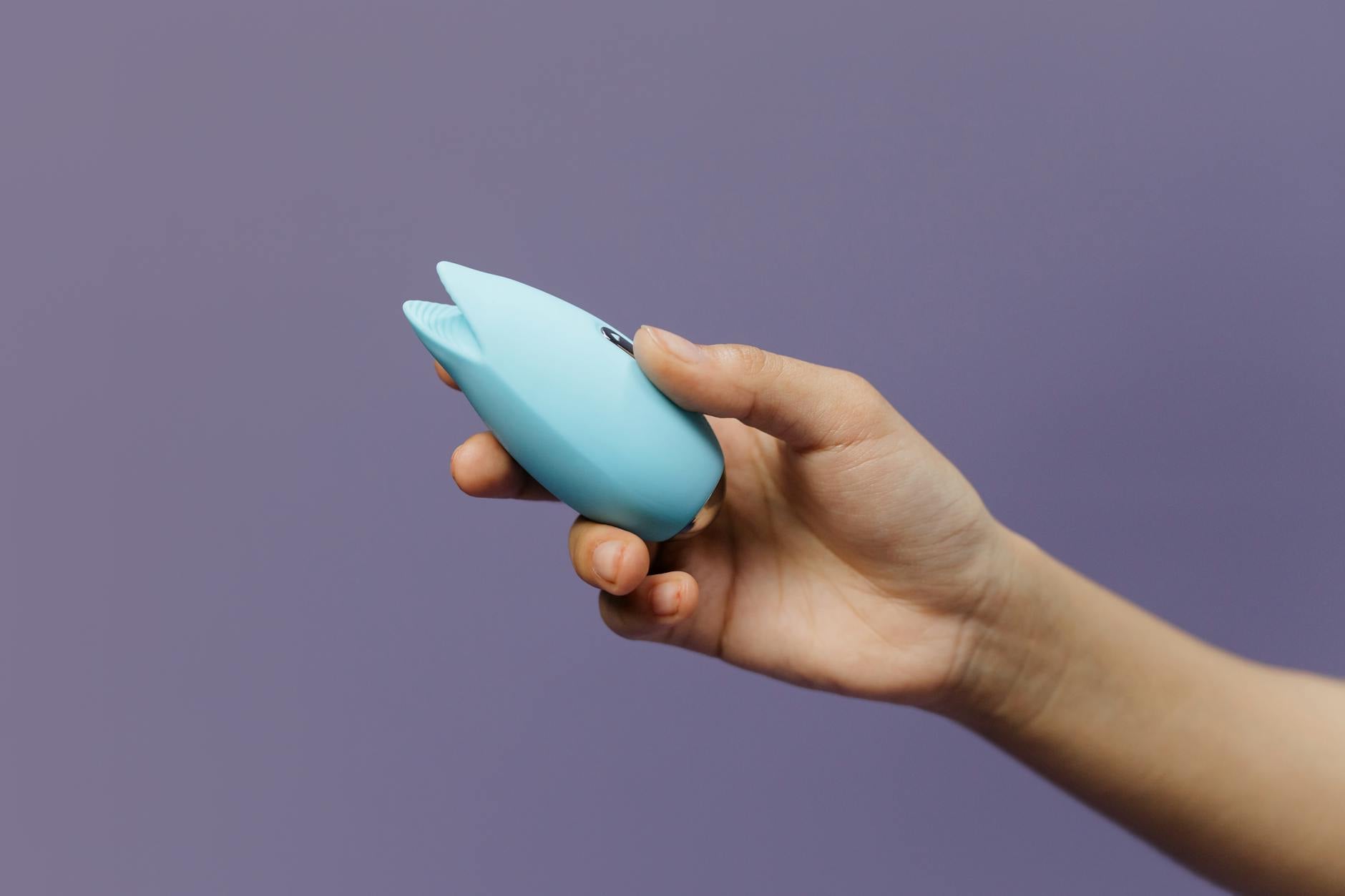
Let's start with how differently these actually work
Most people think a vibrator is a vibrator. You turn it on, it vibrates, sensation happens. But lemon clitoral vibrators operate on a completely different principle than the wand vibrators your partner might have suggested or you might have tried years ago. That difference isn't cosmetic. It changes what your body feels, how quickly you respond, and whether the experience feels intense or overwhelming.
Here's the thing: traditional wand vibrators use sustained, direct vibration. They buzz against tissue repeatedly. Lemon clitoral vibrators use rhythmic suction and release. That's not a small variation. That's two entirely different stimulation pathways.
How traditional wand vibrators stimulate
A standard wand vibrator creates sensation through mechanical vibration. The motor oscillates rapidly (usually 80-9000 vibrations per minute depending on the intensity setting) against the clitoris. This floods the nerve endings with constant, direct stimulation.
For some people, this works beautifully. For others, it causes:
- Desensitization after a few minutes (your nerves adapt and stop responding as intensely)
- Numbness that lingers after use
- Overstimulation that makes the sensation feel painful rather than pleasurable
- A "buzzy" feeling that sits on the surface rather than creating deep sensation
Wand vibrators also require consistent direct contact. If you shift position slightly or your body moves during arousal, the sensation drops. You're locked into one spot, one angle, one rhythm.
How lemon suction vibrators actually stimulate differently
A lemon clitoral vibrator works through suction combined with gentle pulsing. Instead of buzzing against tissue, it creates a seal around the clitoris and then gently pulls and releases in rhythmic waves.
This mimics a sensation closer to what oral sex feels like. Your clitoris is incredibly complex. It has internal branches that extend into the vagina and up toward your abdomen. Suction activates these internal structures in ways that direct vibration alone cannot.
More importantly: suction-based stimulation doesn't desensitize the same way. Because the mechanism is rhythmic suction rather than constant vibration, your nerve endings stay responsive longer. You're not overwhelming the sensory system. You're building sensation gradually.
Why intensity doesn't have to mean brutality
Here's where this gets interesting. Many people assume that a more intense orgasm requires more intense stimulation. Not true.
With a lemon clitoral vibrator, you can start at the lowest suction setting (what we call pattern 1 or 2) and experience profound sensation. Because suction works on a different neurological pathway than vibration, lower intensity feels like enough. It's satisfying without being overwhelming.
Traditional wands often require you to crank the intensity higher to feel anything at all, especially if you've used them repeatedly. This is partly physical desensitization and partly the fact that constant vibration is blunt. You need more of it to cross the threshold into pleasure.
With suction, you get responsive sensation at every level. Most people find their sweet spot on settings 3-5 out of 10. A few go higher. But the range of usable pleasure is broader.
What happens to orgasms with each approach
A wand vibrator typically produces orgasms that are quick and localized. You build to climax fast (which can be great when you're short on time), and the sensation tends to center on the clitoris itself.
A lemon clitoral vibrator usually takes longer to build but creates orgasms that feel full-bodied. Because suction activates the internal clitoral structures, you feel the sensation spreading. Your orgasm might radiate differently. Some people describe it as deeper, longer, or involving more of their body.
Neither is objectively better. But they're genuinely different experiences. If you've only used wand vibrators, a lemon clitoral vibrator will feel revelatory because it accesses pleasure in a way your body hasn't been stimulated before.
The texture and comfort difference
Wand vibrators are rigid or semi-rigid. They're designed to be held in your hand and pressed against your body. This means:
- You're controlling the exact pressure and angle
- You're also responsible for maintaining that pressure without fatigue
- If your clitoris is sensitive, direct pressure can feel uncomfortable
Lemon vibrators like the Lem are designed to rest against your body without requiring white-knuckle grip. The suction seal does the work. You position it and the mechanism takes over. This is radically different from bearing down on a wand.
For people with sensitive skin, tender tissue post-childbirth, or low pain tolerance, this difference is massive. You get stimulation without pressure. Pleasure without discomfort.
Compatibility with different bodies and states
Wand vibrators work best on bodies with thicker clitoral tissue and higher baseline sensation. They're particularly effective for people who need strong, direct stimulation to reach orgasm.
Lemon clitoral vibrators work across a wider range of bodies because suction is gentler yet still powerful. They're especially effective for:
- People with sensitive clitorises
- Bodies in recovery (postpartum, post-surgery)
- People with reduced sensation or numbness
- Anyone who experiences numbness or desensitization with traditional vibrators
- Partners who want to explore pleasure without intensity
This doesn't mean wands don't work for these people. But the comfort and effectiveness gap is real.
How sensation changes over time
One of the most important differences shows up in repetitive use. If you use a wand vibrator three times a week, your clitoris adapts. The nerve endings become less responsive to that specific stimulus. You need to increase intensity or take breaks to reset.
With lemon suction vibrators, this adaptation is slower or sometimes doesn't happen at all. Because the mechanism is different, your nerves don't habituate the same way. You can use a lemon clitoral vibrator more frequently without chasing higher intensities.
This is why many people who've switched from wands to suction vibrators report that their pleasure actually increases over time rather than decreases.
The noise and discretion factor
Wand vibrators are loud. The oscillating motor creates consistent vibration sound. A lemon clitoral vibrator is quieter because the suction mechanism is gentler and less motor-intensive.
If discretion matters to you (whether that's living with family, sharing a wall with neighbors, or just wanting privacy), this is another practical difference between the two.
What the research actually shows
Studies comparing suction-based stimulation to traditional vibration consistently find that people report higher satisfaction, longer arousal, more intense orgasms, and lower rates of discomfort with suction-based devices.
A 2020 study on clitoral suction devices found that 78% of users reported their first orgasm with the device, compared to about 64% with traditional vibrators. The difference partly comes from the mechanism itself and partly from the fact that suction-based devices are generally used with better technique and lower pressure.
When you're not fighting against numbness or overstimulation, you can actually relax into pleasure. That changes everything.
Making the switch: what to expect
If you've only used wand vibrators, trying a lemon clitoral vibrator will feel different. Your clitoris might feel more responsive. The sensation might surprise you because it's not what you're used to.
Give it three uses minimum. Your body needs to learn what suction feels like before you evaluate whether it works for you. Most people who feel lukewarm on the first or second use are enthusiastic by the third.
Start with the lowest setting. Suction is effective even on gentle patterns. You're not missing intensity by starting low. You're actually being smarter about building sensation gradually.
If you want to compare directly, use a wand vibrator one day and a lemon clitoral vibrator the next. That's when the difference becomes obvious. Your body will tell you which mechanism it prefers.
FAQ
How is a lemon clitoral vibrator different from a lemon sucker?
They're the same thing. A lemon clitoral vibrator uses suction technology, which is why it's sometimes called a lemon sucker or clitoral suction vibrator. The suction component is what makes it work, so the terms are interchangeable.
Can I use a lemon clitoral vibrator if I've never had an orgasm?
Yes. In fact, lemon clitoral vibrators are often recommended for people who haven't experienced orgasm with other methods. The suction mechanism accesses nerve pathways that traditional vibration might miss. Start with the lowest intensity and give yourself permission to explore without pressure.
Do lemon vibrators hurt if you're sensitive?
Not typically. Because suction distributes stimulation across a broader area rather than concentrating it in one spot, sensitivity is usually less of an issue than with wand vibrators. That said, if your clitoris is extremely tender, start with the gentlest settings and use lube to create a better seal. The goal is comfort, not pushing through pain.
How long does it take to get results with a lemon clitoral vibrator?
Most people feel a noticeable difference within one to three uses. Your body needs a little time to understand the sensation. By the second or third use, most people report that the experience feels familiar and more pleasurable. Some people have an orgasm on the first try. Others need three to five sessions to build the neural connection.
Can I use a lemon vibrator with a partner?
Absolutely. Many couples use lemon clitoral vibrators together because they're quieter, less intimidating than a large wand, and the suction sensation feels different enough that it creates novelty in long-term relationships. The smaller size also makes positioning during partnered sex easier.
Will a lemon clitoral vibrator desensitize me like my old wand vibrator did?
Unlikely. The suction mechanism doesn't create the same nerve adaptation that constant vibration does. Most people find they can use a lemon vibrator more frequently without chasing higher intensities. That said, every body is different. If you notice any desensitization, take a week off and your sensitivity will return.
The bottom line
Wand vibrators and lemon clitoral vibrators aren't upgrades of each other. They're different tools. One uses vibration. One uses suction. One creates sensation through intensity and speed. One creates sensation through rhythmic pulling and release.
Which one works best for you depends on your body, your history with pleasure, and what sensation actually feels good. But if you've only ever tried wand vibrators and they didn't work, haven't worked, or stopped working, a lemon clitoral vibrator might be the answer you've been looking for.
Your pleasure doesn't have to be complicated or painful or numb. Sometimes it just needs the right mechanism.