Your arousal timeline changed. That's actually normal.
Honestly, here's the thing: your body isn't slow. It's just responding differently now. Maybe it's been a few years since you felt truly turned on quickly. Maybe hormones shifted. Maybe stress flattened your desire for months, and now it's returning but on a different schedule. Whatever the reason, that longer warm-up time feels less like anticipation and more like friction.
I talk to people all the time who feel broken because arousal used to happen in 10 minutes and now it takes 25 or 30. The cultural narrative we inherit says fast arousal equals "healthy" or "young" or "attracted." None of that's true. But the shame sticks around anyway.
The shift is real, though. And understanding why helps you stop fighting your body and start working with it.
What actually slows down arousal
A few things happen physiologically that extend the warm-up window. Estrogen fluctuations (whether from menopause, hormonal birth control changes, or postpartum recovery) affect blood flow to the genitals and sensitivity in the clitoris. That doesn't mean less pleasure. It means arousal takes longer to build.
Stress and burnout do something similar. When your nervous system is stuck in activation mode, sexual response gets deprioritized. Your body's not wrong. It's protecting you. But the result is arousal that feels muted, distant, or just slow to arrive.
Aging itself changes things too. The tissues in the vulva become thinner and less vascular. Neurotransmitters that trigger arousal become less abundant. This isn't deterioration. It's a different operating system. And different doesn't mean broken.
Why patience actually matters now
Here's what happens if you try to rush a body that needs 30 minutes: you skip the groundwork. You end up using more friction, more intensity, more everything, because you're starting from a lower baseline. Your clitoris is less engorged. The tissues are less lubricated. Your nervous system hasn't fully shifted into pleasure mode.
Then you wonder why things feel numb or why orgasm is harder to reach. The problem wasn't patience. The problem was skipping it.
When you give yourself the actual warm-up time your body needs now, something shifts. The tissues fill with blood. Sensation sharpens. Your brain releases the neurotransmitters that make pleasure actually feel like pleasure. You don't need more intensity. You need more time.
Why lemon clitoral vibrators are built for longer warm-ups
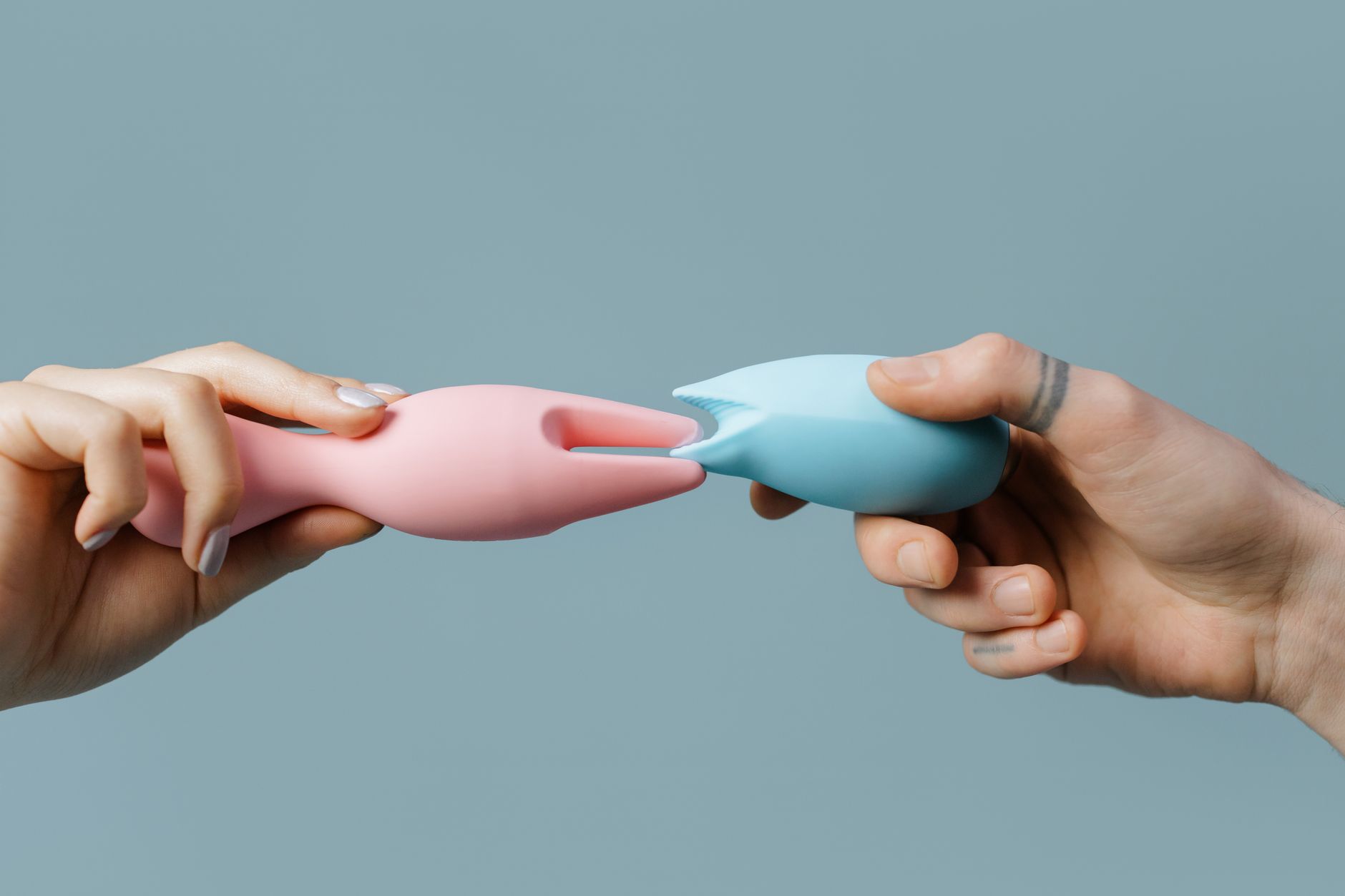
Traditional vibrators are designed for rapid escalation. They pulse hard from the start. They need you already aroused. A lemon vibrator like the Lem works differently. The suction mechanism starts low and builds gradually. It doesn't demand intensity from your body. It invites arousal, pattern by pattern.
Start on pattern 1 or 2. That's actually the point. You're giving your clitoris a gentle, sustained signal. No jarring vibration. No pressure to "perform." Just consistent, rhythmic stimulation that your body can respond to at its own pace.
The beauty of suction over vibration for longer warm-ups is that it creates sensation without friction fatigue. You can stay at a lower intensity for 15 or 20 minutes without your body going numb. That's the opposite of what happens with traditional vibrators on low. The suction deepens arousal instead of just deadening it.
The emotional part that actually matters more
Longer warm-up times often trigger something else: performance anxiety. You start timing yourself. You start worrying that your partner will get bored. You start pushing harder to "catch up" to some imaginary timeline that was never real anyway.
When you're using a lemon vibrator alone or with a partner, the ritual changes. You're saying explicitly: "This is the actual foreplay now. This matters." There's no rush. There's no finish line at 10 minutes. You're building something.
With a partner, this becomes a conversation. "I need longer warm-up now" is not a confession. It's a fact. And once you both accept it, things actually get better. Your partner isn't performing foreplay while waiting for you. Your partner is present for it. That changes everything.
What else shifts alongside warm-up time
Often when arousal slows down, other things change too. Maybe you get wet less easily. Maybe sensation feels duller. Maybe orgasms feel more distant. None of that is independent. It's all connected to the same physiological shift.
Water-based lubrication becomes a genuine tool, not an insecurity. Using lube isn't a sign something's wrong. It's a sign you understand your body now. The Lem works beautifully with lube. Suction actually becomes stronger and more pleasurable when there's slip.
Longer warm-up time also means you might discover that your most intense orgasms come from this longer approach. That's not rare. That's common. Your nervous system had time to fully activate. Your clitoris is fully engorged. The whole experience feels deeper.
How to actually use this framework
If arousal is taking longer now, here's what actually helps.
First, budget the time. If 30 minutes is what you need, clear 45. That takes the pressure off. You're not racing a clock. Second, start low. Pattern 1 on a lemon vibrator is genuinely designed to be sustainable for a long time. You're not trying to reach maximum sensation in minute two. You're building. Third, bring lube. It helps everything feel better and last longer. Finally, if you're with a partner, talk about it before you're in the moment. "I need longer now, and that's actually really good," lands differently when the clothes are on.
People also ask
Why does arousal take longer after stress and burnout?
When your nervous system is chronically activated (stuck in fight-or-flight), sexual arousal gets suppressed. Your body's literally deprioritizing it to protect you. Once you address the burnout, arousal usually returns. But during the transition, longer warm-up is normal. Lemon clitoral vibrators help because they don't demand intensity. They invite it gradually, which aligns with what your nervous system can actually handle right now.
Can longer warm-up time mean there's something wrong with my relationship?
Not necessarily. Your body might have changed for purely physiological reasons (hormones, age, medication). But sometimes longer arousal time does signal that something's shifted in the relationship. Maybe emotional intimacy has declined. Maybe resentment's sitting underneath. Those are real conversations to have, ideally with a therapist. But a longer warm-up isn't the problem itself. It's information.
Does every adult body eventually need longer warm-up time?
No. Some people's arousal response stays relatively consistent throughout their lives. But many do experience shifts, especially around hormonal transitions, life stress, or major relationship changes. If it's happening to you, you're not alone and you're not broken.
How long should warm-up actually take?
There's no universal answer. For some people, it's 15 minutes. For others, it's 45. What matters is that you're taking the time your body actually needs instead of fighting for the time you used to need. Lemon vibrators let you explore this without judgment. You can stay at a gentle intensity for as long as it takes.
Is a lemon vibrator better than a partner for longer warm-up?
Different. A lemon vibrator is consistent and never gets impatient. That's useful. A partner can bring emotional presence and connection. That's also useful. Many people find that lemon clitoral vibrators actually improve partnered sex because they take the pressure off the partner to perform lengthy foreplay. You're building arousal together instead of one person working while the other waits.
What if longer warm-up time is a side effect of medication I have to take?
Talk to your prescribing doctor. Some medications (antidepressants, blood pressure meds, birth control) genuinely slow sexual response. Sometimes switching to a different med helps. Sometimes adjusting the dose does. But in the meantime, lemon vibrators and longer warm-up are practical tools. You're not waiting for your body to change. You're adapting to what it actually needs.
The truth about patience
I spent a lot of years telling people to "just relax" about longer arousal time. That's not actually useful. What's useful is designing your intimate life around how your body actually responds now. That might mean more foreplay. It might mean using a lemon vibrator. It might mean having different conversations with your partner about what turns you on and how long that actually takes.
Your body's not slow. It's just honest now. And that, weirdly, is kind of a gift. When you stop fighting it and start listening to it, pleasure becomes something you're building intentionally instead of something that's supposed to happen automatically.
If you want to explore how lemon vibrators can work with your actual arousal timeline, check out our guide on clitoral vibrators or how lemon vibrators help when pleasure takes longer after hormonal changes. And if you want to talk through what's actually happening with your body and your relationship, that's what I'm here for.