Here's what nobody tells you about deep penetration pain
If penetration hurts, your first instinct is usually to push through it or assume something is structurally wrong. It's not. More often, it's a tension response, nerve sensitivity, or a mismatch between what your nervous system expects and what's actually happening. And here's the thing: addressing it doesn't require medication, surgery, or years of therapy. Sometimes it just requires redirecting where the pleasure is coming from.
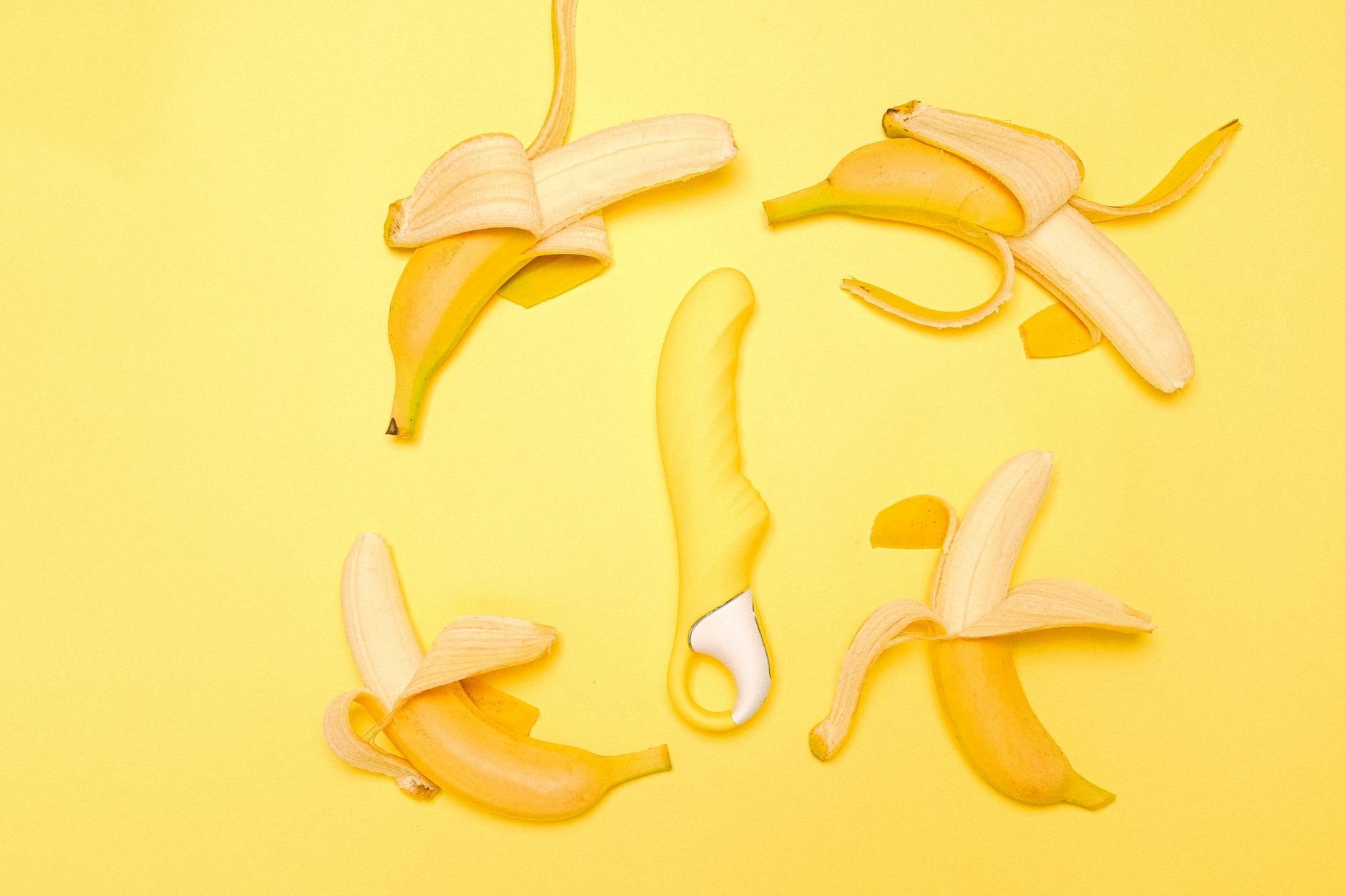
That's where lemon clitoral vibrators come in. Not as a replacement for penetration, but as a tool to calm your nervous system, build confidence, and restore the sensation that makes sex feel good instead of painful.
Why deep penetration hurts (and it's probably not what you think)
Deep penetration pain usually stems from one of three places: pelvic floor tension, cervical impact, or referred sensitivity from nearby nerves. Let me break each down.
Pelvic floor tension happens when your pelvic floor muscles (the hammock of tissue that supports your organs) tighten defensively. This often starts as anticipatory anxiety. Your brain remembers past pain, your muscles contract to protect you, and then the contraction itself becomes the problem. It's a loop. The more you brace for pain, the tighter the muscles get, and the more likely penetration is to hurt.
Cervical impact occurs when a partner thrusts deeply and the penis or toy makes contact with the cervix. For some people, that's amazing. For others, it feels like a sharp, internal ache that lingers. This isn't a sign of damage. It's usually just sensitive nerve endings being stimulated in a way that registers as uncomfortable rather than pleasurable.
Referred sensitivity is when nerves from nearby structures (like the ovaries, bladder, or bowel) create pain sensations in the vaginal area even though penetration itself isn't the problem. It's why you might feel pain during sex but not during a gynecological exam.
All three of these respond well to clitoral stimulation because it activates a different neural pathway. When you're focused on intense clitoral sensation, your brain deprioritizes the internal discomfort. You're not ignoring the pain. You're just giving your nervous system something more compelling to pay attention to.
How lemon vibrators change the equation
Lemon clitoral vibrators work differently than traditional toys. The suction mechanism creates a gentle pulling sensation that stimulates the external clitoral complex without requiring direct friction. That matters when penetration pain is in the picture.
When you use a lemon vibrator during partnered sex, you're essentially creating what's called "sensory gating." Your brain processes the strongest sensation in the area, which is now the clitoral suction. The internal discomfort doesn't disappear, but it becomes background noise instead of the main event. You stay present, you stay aroused, and over time, your nervous system learns that this version of sex is safe.
The second benefit is psychological. Deep penetration pain often carries shame. You feel like you're failing at sex, or that your body is defective. Using a lemon vibrator reframes the narrative. You're not accommodating a problem. You're actively choosing the kind of stimulation that works for you. That shift in agency alone can reduce anticipatory anxiety, which immediately reduces pelvic floor tension.
The three-step process that actually works
If you want to use lemon vibrators to rebuild comfortable, pleasurable penetration, here's what I recommend.
Step 1: Solo practice first. Spend a week or two using your lemon clitoral vibrator during solo play. The goal is not orgasm (though that's nice). The goal is to learn what intensity levels feel good, where on your clitoris the suction works best, and how to breathe and relax when you're stimulated. This teaches your body that clitoral sensation is safe and pleasurable. No pressure. No partner. Just you learning what works.
Step 2: Introduce it with your partner, without penetration. Use the lemon vibrator during foreplay. Let your partner watch, help if you want them to, or just be present. This removes the performance pressure of penetration while you're still building comfort with your partner's presence plus clitoral stimulation. It's a crucial middle step that most people skip, and it makes everything easier.
Step 3: Add penetration slowly. Start with shallow penetration while using the lemon vibrator on your clitoris. Your partner should move gently and check in frequently. The point isn't to go deep. It's to pair the sensation of internal fullness with intense clitoral pleasure. As your nervous system learns that this combination is safe, you can gradually invite deeper movement. But only if you want to. There's no requirement to get there.
Managing the physical stuff
While you're rebuilding comfort, a few physical strategies help.
Lubrication matters more than you think. Even if your body is producing natural lubrication, adding a water-based lube changes everything. It reduces friction, which means less pressure on sensitive tissues and less chance of micro-tears that can amplify pain. Use more than you think you need. It's cheap insurance.
Communication becomes your main tool. Before you even start, agree on a check-in system. Some couples use a simple "thumbs up, thumbs sideways, thumbs down" signal. Others use words. The point is that your partner knows when to slow down, stop, or adjust without you having to push through discomfort to explain. Trust signals like this actually make partnered sex feel safer, which means less tension, which means less pain.
Positions matter. If deep penetration has been painful, certain positions will feel worse than others. Typically, shallower angles (woman on top, side-by-side, or positions where you're controlling depth) feel better than positions where your partner is driving deep. Once you've rebuilt comfort with the lemon vibrator, you can experiment with other angles. But there's no deadline.
What to avoid
Don't push through pain. I know that sounds obvious, but so many people power through discomfort hoping it will get better. It usually gets worse because you're reinforcing the neural pathway that says "penetration equals pain." If something hurts, stop. There's no prize for suffering.
Don't assume the lemon vibrator is a permanent crutch. It's a tool for rebuilding confidence and pleasure during a period of pain. Most people find that after a few months of consistent, comfortable sex with clitoral stimulation, the pain narrative shifts entirely. You may still want to use the vibrator because it feels amazing. But you're using it because you want to, not because you have to.
Don't skip the foreplay or the solo practice. I get it. You want to jump to partnered sex. But the nervous system doesn't work on a timeline. Taking two weeks to build comfort in lower-pressure situations will actually get you to comfortable penetration faster than forcing it.
When to see someone
If penetration pain persists after a month of consistent, relaxed practice with a lemon clitoral vibrator, see a pelvic floor physical therapist. They can assess whether your pelvic floor muscles are actually tight and teach you how to relax them. This is clinical, not spiritual, and it works. A good PT will work alongside your pleasure, not against it.
If the pain is sharp, one-sided, or accompanied by bleeding, see your gynecologist. Those are signs of something that needs medical attention, and there's no shame in that.
The plot twist
Many people who start using lemon vibrators to manage deep penetration pain end up discovering that they prefer clitoral stimulation during sex anyway. Not because penetration is bad, but because the combination of internal sensation plus intense clitoral pleasure is just better. Your body isn't broken. It just knew what it needed before your brain caught up.
Frequently asked questions
How long does it take for penetration pain to improve with a lemon vibrator?
Most people notice a shift within two to four weeks of consistent, comfortable practice. That said, you're retraining your nervous system, which takes time. Some people feel relief in days. Others need eight weeks. The key is that you're not white-knuckling through pain. If you're tensing up or dreading sex, you're not ready to progress. Back up to solo play or non-penetrative partnered sex until your body actually feels safe.
Can I use a lemon clitoral vibrator if I have vaginismus?
Yes, though I'd also recommend pelvic floor physical therapy if you have vaginismus. The combination works best. Start with the lemon vibrator on your clitoris during solo play, and as your nervous system relaxes, you can explore very gentle internal touch. Never force anything inward. The vibrator should always be on your terms.
What if my partner thinks using a lemon vibrator means they're not enough?
This is about reframing sex as collaboration, not performance. How Lemon Vibrators Help When Your Partner Is Skeptical About Toys covers this in depth, but the short version: your partner can absolutely hold the vibrator, control the intensity, or be involved in the process. It's not a replacement for them. It's an addition that makes sex better for both of you.
Is penetration pain a sign that my pelvic floor is permanently damaged?
No. Pelvic floor tension is reversible. Physical therapy, consistent relaxation practice, and positive sexual experiences all help restore normal function. The muscles didn't damage themselves. They just learned to be protective. You can retrain them to be relaxed.
Can I use a lemon vibrator if I'm also in therapy for sexual trauma?
Absolutely, but talk to your therapist first. Some trauma survivors find that clitoral vibrators help them reclaim their body and pleasure. Others need to work through some emotional stuff before adding sex toys. Your therapist knows your history and can guide you on timing. There's no one-size-fits-all answer.
What if I want penetration to feel good but I'm not interested in using a vibrator during sex?
Then use the lemon vibrator during your solo practice and foreplay phases to rebuild comfort and confidence. Many people find that once the nervous system learns that penetration plus arousal equals safety, they can ease back on the vibrator during partnered sex. You're using it as a bridge, not a permanent requirement.
Deep penetration pain is one of those things that feels like a personal failing but is usually just your nervous system trying to protect you. The good news is that your nervous system responds beautifully to positive, pleasurable experiences. A lemon clitoral vibrator gives you a tool to create those experiences on your own terms. Start slowly, stay curious, and remember that rebuilding sexual comfort is always worth the time it takes.